Tu carrito está vacío



The most common signs of dehydration include dark yellow urine, headaches, fatigue, dizziness, dry mouth and reduced concentration. Mild dehydration can usually be resolved by drinking water steadily over a few hours. If you experience confusion, rapid heartbeat, fainting or very dark urine that does not improve with drinking, see your GP or call NHS 111 promptly. Keeping a 1 litre water bottle with you throughout the day is the simplest way to prevent dehydration.
Dehydration is one of the most common yet most overlooked health issues in the UK. Most people associate it with hot weather or extreme exercise, but the reality is that mild dehydration affects millions of people every day, year-round, simply because they do not drink enough. It shows up as headaches, tiredness, poor concentration, and irritability, symptoms that most people attribute to stress, poor sleep or overwork rather than something as simple as not drinking enough water.
In this guide, we cover the ten most common signs of dehydration, explain when symptoms become serious enough to see a doctor, and share practical prevention strategies. This is not a medical guide. If you are concerned about your health, always consult your GP or call NHS 111. But understanding the warning signs can help you take action before dehydration affects your day, your work or your wellbeing.
For guidance on how much you should actually be drinking, see our companion article on how much water you should drink a day. For the health benefits of staying hydrated, read our benefits of drinking water guide.
Dehydration occurs when your body loses more fluid than it takes in. Your body is approximately 60% water, and every cell, organ and system depends on adequate hydration to function properly. When fluid levels drop, even by just 1 to 2%, your body starts sending warning signals.
The most common causes of dehydration in the UK are simply not drinking enough throughout the day, sweating during exercise without adequate fluid replacement, hot weather, illness (particularly vomiting and diarrhoea), and drinking too much alcohol. It is not just a summer problem. Heated indoor environments in winter cause significant fluid loss through dry air, and many people drink less during colder months because they do not feel as thirsty.
This is the most reliable everyday indicator of hydration status. Well-hydrated urine is pale straw or light yellow. As dehydration increases, urine becomes darker, progressing to deep yellow, amber, or even brown in severe cases. If your urine is consistently dark yellow, you need to drink more fluids. Check the colour every time you visit the bathroom as a simple, free hydration monitor.
Dehydration headaches are extremely common and often mistaken for stress or tension headaches. When your body is low on fluid, the brain can temporarily shrink slightly, pulling away from the skull and triggering pain. These headaches typically present as a dull, persistent ache across the forehead or temples. If you get frequent afternoon headaches, try drinking more water before reaching for painkillers.
Feeling tired for no obvious reason is one of the earliest signs of dehydration. When fluid levels drop, your blood volume decreases slightly, meaning your heart has to work harder to pump oxygen and nutrients around your body. The result is a feeling of sluggishness, lethargy and low energy that no amount of coffee seems to fix. Before blaming your sleep, check how much water you have drunk today.
A dry, sticky feeling in your mouth and cracked or dry lips are classic dehydration symptoms. Saliva production decreases when your body is conserving fluid, leading to that uncomfortable parched sensation. If you find yourself constantly reaching for lip balm, dehydration could be the underlying cause rather than the weather.
When you are dehydrated, your blood pressure can drop, particularly when you stand up quickly. This causes dizziness or lightheadedness that can range from mild unsteadiness to a feeling that the room is spinning. If you feel dizzy after standing up, sit down, drink a glass of water slowly, and see if the sensation passes within a few minutes.
Your brain is approximately 75% water, and it is one of the first organs affected by dehydration. Even mild fluid loss can impair concentration, short-term memory and cognitive processing speed. If you find yourself struggling to focus at work or losing your train of thought mid-sentence, a glass of water might be more effective than another cup of coffee. For office hydration advice, see our office water bottle guide.
Dehydration reduces blood flow to muscles and disrupts the balance of electrolytes (sodium, potassium and magnesium) that your muscles need to contract and relax properly. This can cause cramps, particularly in the legs and calves, during and after exercise. If you get frequent cramps, increasing your water intake and ensuring adequate electrolyte consumption can make a significant difference.
Your skin is the largest organ in your body and one of the most visible indicators of hydration. Dehydrated skin looks dull, feels tight, and may show fine lines more prominently. A simple test: gently pinch the skin on the back of your hand. If it takes more than a second or two to spring back to normal, you may be dehydrated. This test is particularly useful for checking hydration in older adults.
If you are going to the bathroom significantly less often than usual, or producing very small amounts of urine, your body is conserving fluid. A healthy adult typically urinates six to eight times per day. Fewer than four times may indicate insufficient fluid intake. Combined with dark urine colour, reduced frequency is a strong indicator that you need to drink more.
Dehydration does not just affect your body. It affects your mood. Research has shown that even mild dehydration can increase feelings of anxiety, irritability and tension. If you find yourself feeling unusually short-tempered or anxious, particularly in the afternoon, check when you last had a drink of water. The solution might be simpler than you think.
Children are more susceptible to dehydration than adults because they have a higher surface-area-to-body-weight ratio, meaning they lose proportionally more fluid through their skin. They also tend to be less aware of thirst and more easily distracted from drinking.
Signs of dehydration in children include fewer wet nappies than usual (in babies), dry mouth and tongue, crying without tears, sunken eyes, lethargy, and irritability. In older children, watch for dark urine, complaints of headache, and reduced energy levels during school and play.
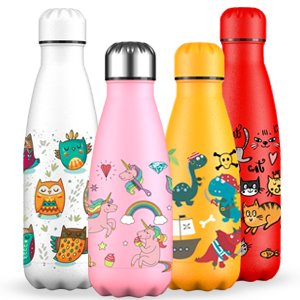
The simplest prevention strategy is to send your child to school with a water bottle they actually enjoy using. Fun designs like the ProWorks Pulse Unicorn White or the Flamingo Black encourage regular drinking throughout the day. See our kids' school water bottle guide for more recommendations.
Dehydration is particularly common and dangerous in older adults. There are several reasons for this. The sensation of thirst diminishes with age, meaning older people may not feel thirsty even when their body needs fluid. Kidney function naturally declines, reducing the body's ability to conserve water. Certain medications, particularly diuretics, increase fluid loss. And mobility issues can make it harder to get a drink independently.
The consequences of dehydration in older adults are also more severe. It increases the risk of urinary tract infections, confusion, falls, and hospital admission. In care settings, dehydration is one of the most common preventable health issues.
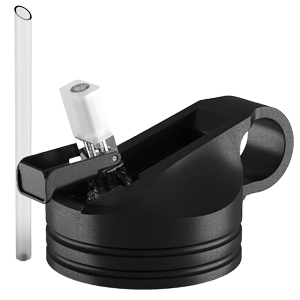
Prevention is straightforward: keep a water bottle visible and within arm's reach at all times. A straw bottle is particularly helpful for older adults with limited mobility, as it can be used without tilting or lifting. Setting regular reminders to drink, and offering fluids with meals and snacks, also makes a significant difference.
Mild dehydration can usually be resolved at home by drinking water steadily over a few hours. However, certain symptoms indicate more serious dehydration that may require medical attention.
See your GP or call NHS 111 if you experience:
Call 999 or go to A&E if:
Prevention is far simpler than treatment. Here are practical, evidence-based strategies for staying properly hydrated throughout the day.
For a complete guide to daily water targets, read our article on how much water you should drink a day. For bottle size advice, see the water bottle size guide.
The simplest way to prevent dehydration is to keep a bottle with you. Insulated, leak-proof and built to last.
Shop Water Bottles