KOSTENLOSE LIEFERUNG BEI ALLEN BESTELLUNGEN IM VEREINIGTEN KÖNIGREICH ÜBER 20 £

0

Ihr Warenkorb ist leer

Best 500ml Water Bottle for Running, Cycling & Cardio Training

Januar 14, 2026 8 min lesen.

Best 500ml Water Bottle for Running, Cycling & Cardio Training

Why 500ml Is the Sweet Spot for Running, Cycling and Cardio

When you are training regularly, hydration stops being a “nice to have” and becomes part of your performance. The right bottle helps you drink consistently, stay comfortable during sessions, and avoid the annoying problems that make people give up on reusable bottles, like leaks in your kit bag or water that turns lukewarm halfway through the day.

For most runners, cyclists and gym-goers, a 500ml water bottle is the perfect size. It is big enough to make a difference, but compact enough to carry without feeling clunky. It slips into most backpacks and gym bags, sits neatly by the treadmill, and works well for warm-ups, short-to-medium sessions and everyday commuting.

If you want a simple starting point for choosing a great all-rounder, the best 500ml water bottle guide covers the everyday decision factors. For training specifically, leakproof design matters even more, because your bottle is often sharing space with clothes, headphones and sometimes electronics. This is where the leakproof 500ml commuting and travel guide becomes useful for sport too, because the same features that protect laptops also protect your kit.

What makes a bottle “training friendly”

When you are running, cycling, or doing cardio sessions, you want a bottle that is:

  • Secure in a bag, so you can throw it in without worrying.
  • Comfortable to carry between home, work and the gym.
  • Hygienic, because bottles used daily can pick up odours if not cared for properly.
  • Durable, because training life is hard on gear.
  • Temperature reliable, so cold water stays cold and hot drinks stay hot.

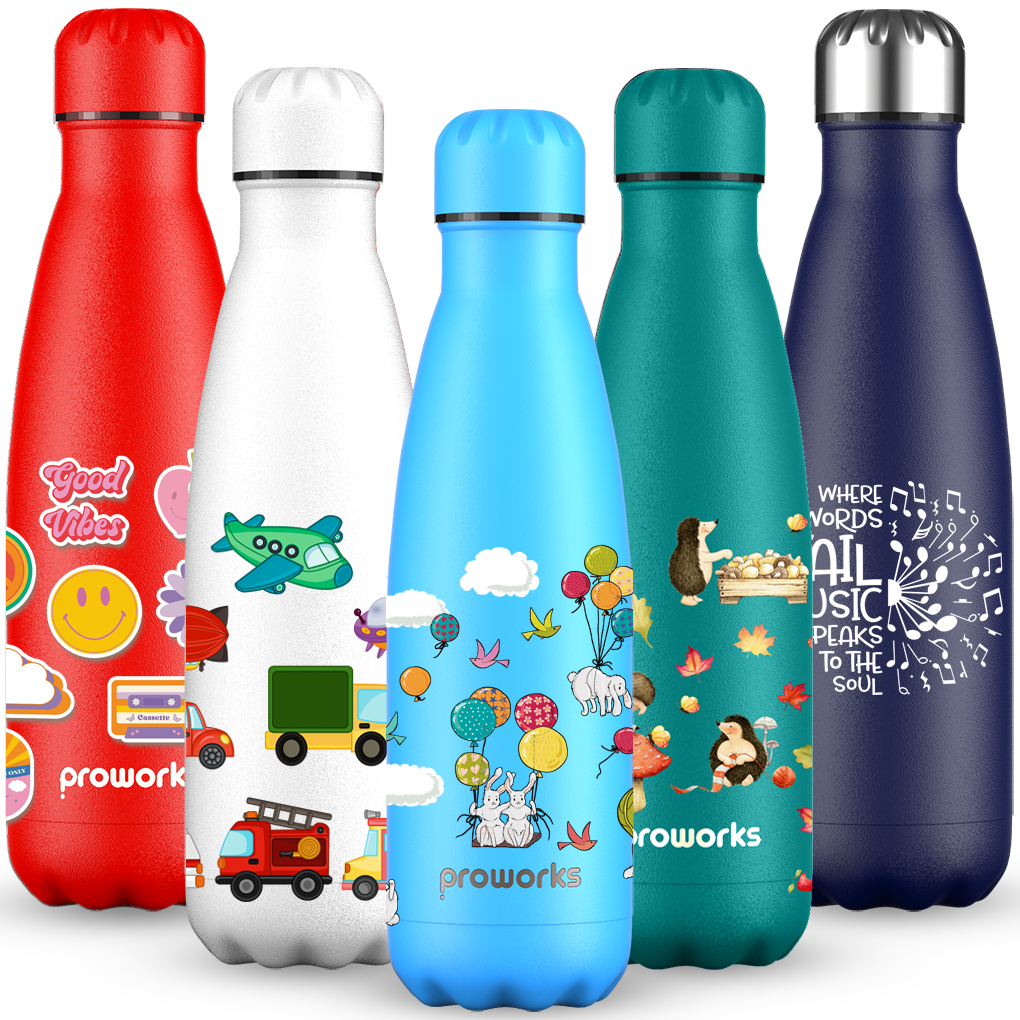
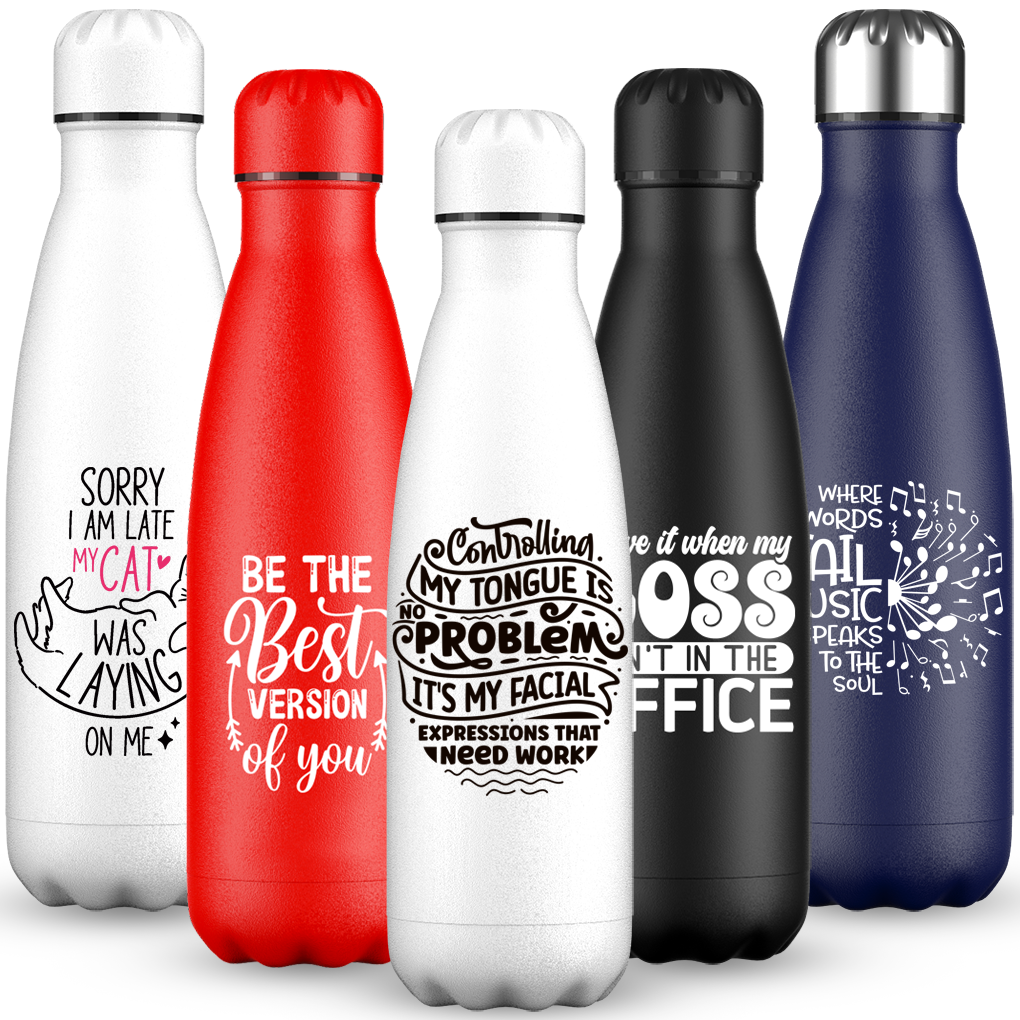
Proworks 500ml stainless steel bottles are designed around those needs. They are made from 304 rust-resistant stainless steel, built with double-wall insulation that helps keep drinks cold for up to 24 hours and hot for up to 12 hours, and finished with an airtight, leakproof screwcap for confidence in your bag.

Why 500ml feels easier than bigger bottles during training

Large bottles can be brilliant for long days out, but for training they can feel heavy, awkward and overkill. A 500ml bottle is easy to lift for quick sips, easy to refill, and easy to keep close during a session. It is also the kind of size you will actually use daily, which is what makes hydration habits stick.

It also helps with simple hydration tracking. Two 500ml bottles equals one litre. Four equals two litres. When you are training, that makes it easy to build a consistent routine around your sessions and the rest of the day.

Now that the size choice is clear, the next step is understanding what matters most for runners and cyclists in the real world, from insulation and materials to practical carry options and what “leakproof” really means when your kit bag gets thrown around.

Running and Cardio: What to Look For in a 500ml Bottle

Cardio sessions are usually fast-paced and repetitive, which means anything annoying becomes extra annoying. A bottle that is hard to open, awkward to hold, or constantly sweating on the outside can ruin the experience. The best bottle for cardio is the one that disappears into your routine. It is simply there when you need it, and it performs without drama.

Leakproof is non-negotiable for gym and cardio life

Most people have had the experience of a bottle leaking into a gym bag. Clothes smell. Headphones get damp. Notes and papers get ruined. Even if you “only” carry water, that can be enough to make you stop bringing a bottle and start buying drinks on the go instead.

A screwcap bottle with an airtight seal is one of the most reliable ways to prevent leaks. If you want to go deeper into why this matters and how to avoid common mistakes, the leakproof 500ml guide is worth a read because it covers the same problems most gym bags face.

Insulation changes how much you actually drink

If your water warms up quickly, you naturally drink less. If your water stays cold and fresh-tasting, you sip more often. That is one reason insulated stainless steel bottles tend to become “everyday essentials” for people who train regularly.

Proworks 500ml bottles are designed to keep drinks cold for up to 24 hours and hot for up to 12 hours. For cardio training, that means:

  • Cold water stays refreshing through a session and afterwards.
  • Ice lasts longer if you like extra-cold drinks.
  • Hot drinks stay warm for early-morning training or winter commutes.

Material matters when you use a bottle daily

Training bottles get used a lot. They live in bags, get refilled, get knocked, and sometimes sit in the car between sessions. This is where stainless steel shines: it is durable, rust-resistant, and does not have the “fragile” feel of glass. Many people also prefer stainless steel for daily use because it is easy to keep fresh with simple washing habits.

If you want a practical cleaning routine that keeps your bottle tasting clean, the 500ml cleaning and care guide covers daily rinsing, deep cleaning and lid care. For training bottles, lid care is especially important because residue can build up around threads over time.

Comfort and convenience: the overlooked performance feature

For cardio, the best bottle is the one you actually bring. A 500ml bottle is usually light enough to carry on the way to the gym, compact enough to keep near equipment, and easy to refill after a session.

It also works well as a “desk to gym” bottle, where you use the same bottle throughout the day, then head to training without needing a second one. That consistency is what helps hydration become automatic.

Cardio is one side of the equation. Cycling introduces different practical needs, like bottle-cage fit, handling on the move, and what you want a bottle to do during longer rides. Next, we will break down how 500ml bottles fit into cycling routines, from short spins to longer days out.

Cycling: Bottle Fit, Carrying and Practical Ride Hydration

Cyclists often think about bottles differently than runners do. On a run, you might carry a bottle or stash it in a bag. On a bike, bottle access needs to be simple and safe. You want something that fits your setup, sits securely, and feels easy to use before and after a ride.

Is 500ml enough for cycling?

For short rides, commutes, indoor cycling and most training spins, 500ml is usually ideal. It gives you enough water to stay comfortable without loading your bike or bag with unnecessary weight. For longer rides, many cyclists take a second bottle or plan refills. The advantage of 500ml is that it is easy to carry multiples without feeling overpacked.

Why leakproof still matters for cycling

Even if you keep your bottle in a cage, it often ends up in a kit bag, a backpack or the car. That is where leakproof performance matters. A secure screwcap prevents the slow drips that soak clothing and make bags smell. It also helps when you throw your bottle into a bag after a ride and forget about it until later.

Finish and grip: metallic vs powder coated for training life

Cyclists often have cold hands, sweaty hands, or gloves involved. That is why the finish of a bottle can make a difference in daily use.

Proworks 500ml bottles are available in two main finish styles:

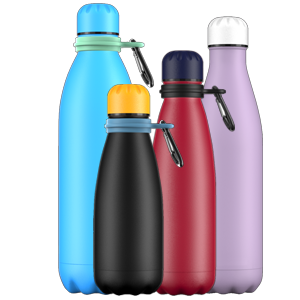
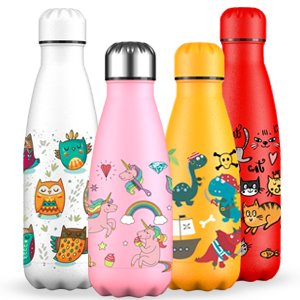
  • Metallic colours: blue, red, silver, black, copper, green, pink, gold.
  • Powder coated matt colours: all black, midnight blue, mellow yellow, grey, pink, peach, white, lemon sherbet yellow, oxy fire red, citrus green.

Both options deliver the same core performance, but the feel in hand can differ. If you want a clear breakdown of the pros and cons for everyday handling, scratches and grip, the metallic vs powder-coated 500ml guide helps you choose based on how you actually train.

Cold water on the move feels better than warm water on the move

For cycling, cold water is often the preference, especially after intervals, hills or indoor sessions. Insulation keeps drinks colder for longer, which is especially helpful if your bottle sits in a warm car before you ride, or if you are training during warmer months.

Keeping your bottle fresh between rides

Training bottles have a rhythm: fill, use, empty, repeat. The easiest way to avoid smells is a simple routine:

  • Rinse your bottle after every ride, even if you only used water.
  • Wash daily with warm soapy water and a bottle brush.
  • Clean the lid threads and leave the bottle to air dry with the lid off.

If you use your bottle for anything other than water, it helps to deep clean occasionally. The cleaning and care guide covers simple deep-clean methods that keep stainless steel tasting clean.

So far we have covered what matters for runners, cyclists and cardio training from a practical point of view. Next we will pull everything together into a simple checklist, hydration routine ideas, and the small details that help a training bottle last for years rather than months.

The Best Training Routine for a 500ml Bottle: Hydration, Care and Everyday Consistency

The best bottle is not just the one with good specs. It is the one that becomes part of your routine. That is especially true for training, where habits make the difference between feeling good in sessions and feeling like you are constantly playing catch-up with hydration.

A simple 500ml hydration rhythm that works

If you train most days, a simple structure makes hydration feel easy:

  • Before training: drink a few sips while you get ready.
  • During training: sip when you naturally pause, rather than waiting until you feel thirsty.
  • After training: finish the bottle over the next hour, especially after intense sessions.
  • Daily baseline: aim for 2 to 4 bottles across the day depending on your routine and activity.

This style of “little and often” hydration tends to feel better than drinking a large amount in one go, especially around cardio sessions.

What to avoid if you want your bottle to last

Stainless steel bottles are durable, but a few habits protect performance and keep everything hygienic:

  • Do not store your bottle closed while it is still wet inside.
  • Do not leave yesterday’s water sitting indefinitely. Refresh daily.
  • Do not ignore the lid threads. That is where build-up starts.
  • Do not rely on a quick rinse forever. Wash properly each day.

If you want a complete routine that covers daily washing and deep cleaning, the 500ml cleaning guide is the most useful reference to keep on hand.

Why stainless steel wins for training life

Some people consider plastic bottles because they can feel light, and some consider glass because it looks clean and minimal. In day-to-day training life, stainless steel tends to be the most practical winner because it is durable, insulated, and built to be carried everywhere without feeling fragile.

When you combine insulation, a leakproof screwcap, and a compact 500ml size, you get a bottle that works for:

  • gym cardio sessions
  • running and treadmill workouts
  • spin classes and indoor cycling
  • commutes to training
  • everyday hydration at work and home

A quick buying checklist for runners and cyclists

If you want the fastest way to choose a bottle you will love using, this checklist helps:

  • Leakproof: secure screwcap you trust in your bag.
  • Insulated: keeps drinks cold and refreshing long after you fill it.
  • Durable: stainless steel that survives drops and daily use.
  • Easy to clean: simple daily washing routine that prevents smells.
  • Looks good: a colour or finish you actually want to take with you.

If you want a broader overview of choosing the right option for your lifestyle, the best 500ml water bottle guide gives you a clear all-rounder view. For training, the key is choosing something you can rely on every day.

Bridge to next article: Next, we will compare stainless steel and plastic bottles in detail, so you can understand the real differences in durability, hygiene, daily taste, and long-term value when you are choosing a 500ml bottle you will use for years.