Ihr Warenkorb ist leer

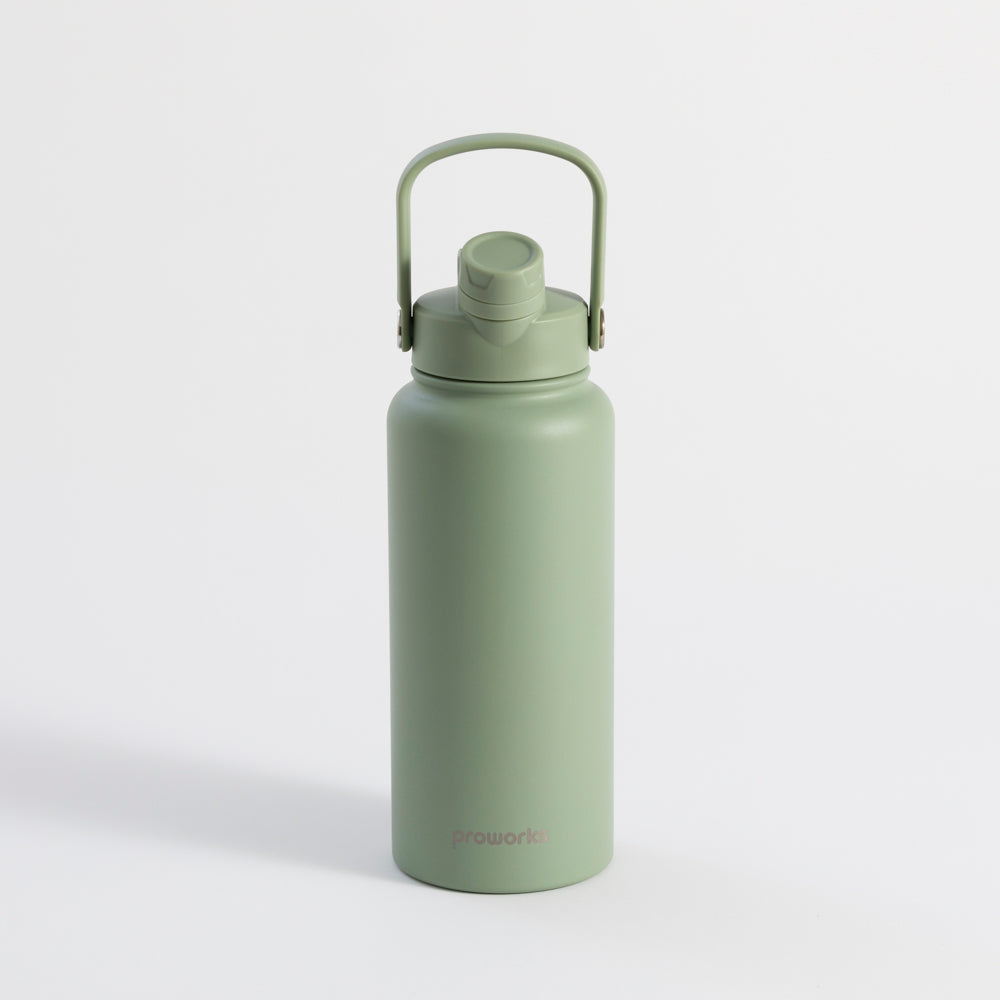

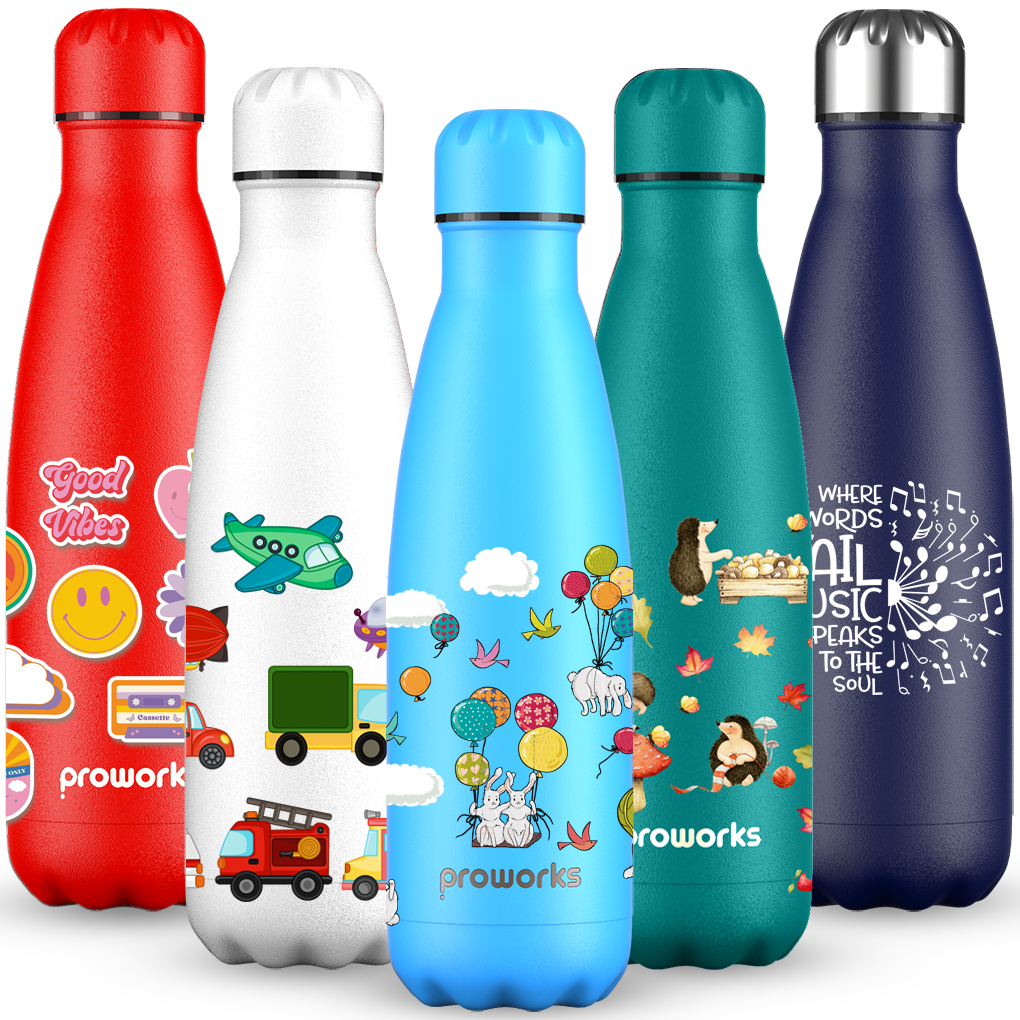
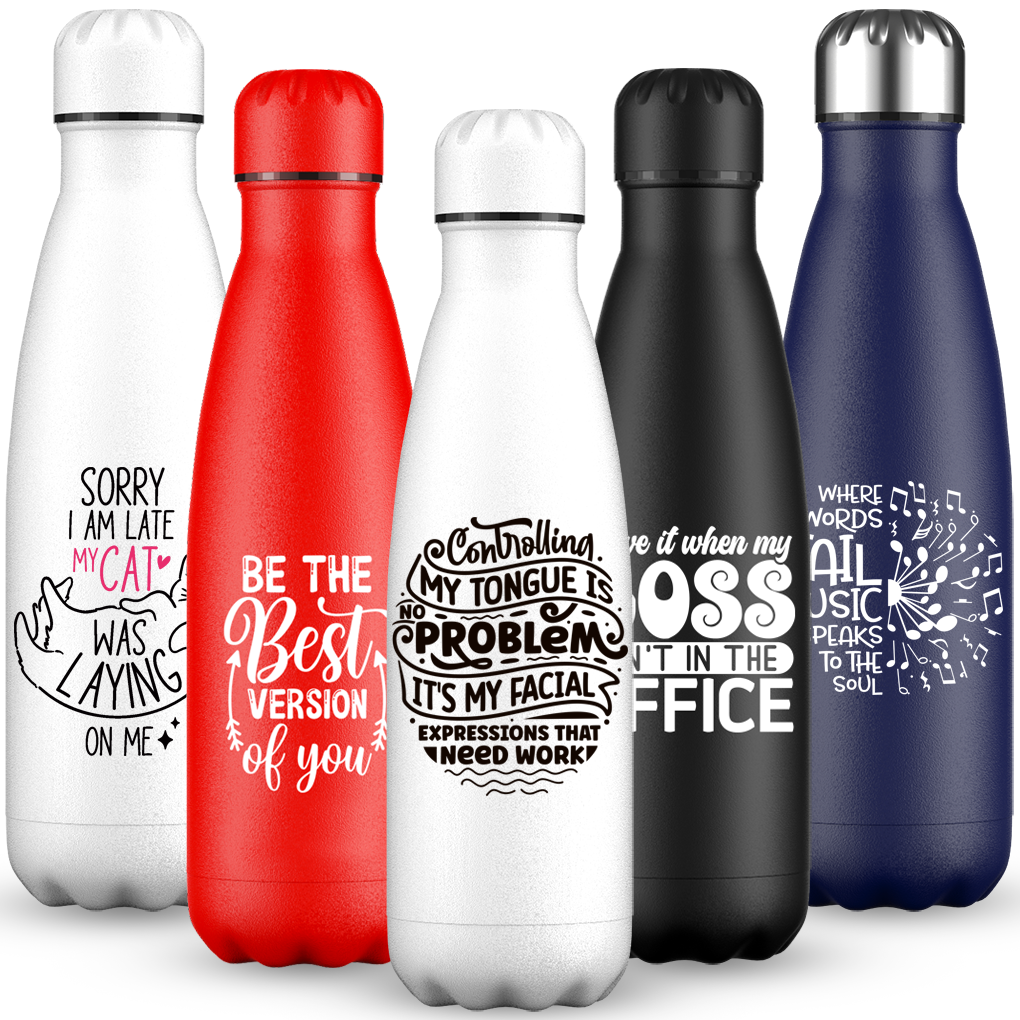
The best hiking water bottle in the UK for 2026 is the ProWorks Explorer 2L for full-day hikes (from £22) and the Explorer 1.5L for half-day walks (from £17.47). Both feature double-wall vacuum insulation that keeps water cold for 24 hours, food-grade stainless steel construction, and leak-proof lids built to withstand trail conditions.
A good water bottle is one of the most important pieces of kit you can carry on a hike. Dehydration affects your energy, concentration, and decision-making, all of which matter when you are navigating trails, scrambling over rocks, or climbing steep paths. The right bottle keeps your water cold and refreshing for hours, survives drops and knocks, and fits securely in your pack without leaking.
We have tested insulated bottles on real UK trails, from gentle canal towpaths to steep Lake District fells, to find the ones that genuinely perform for hikers. Whether you are a weekend walker or a serious hill-bagger, this guide covers the best options for 2026. For camping-specific advice, see our best camping water bottle UK guide. For lighter walks, our walking bottle guide has more portable picks.
Drinking warm water on a hot day is deeply unpleasant. More importantly, you are less likely to drink enough of it. Studies show that people drink significantly more water when it is cold, which means insulation is not just a comfort feature: it directly affects your hydration levels on the trail.
An uninsulated bottle left in direct sunlight or in a hot car will reach ambient temperature within an hour. On a 25 degree day, that means lukewarm water by mid-morning. A double-wall vacuum insulated bottle keeps your water noticeably cold for 24 hours. Fill it with ice water before you leave, and it will still be refreshing when you reach the summit.
This is where insulated bottles truly shine for UK hikers. On a cold, wet January walk, a flask of hot tea or coffee at the halfway point is transformative. The Explorer range keeps hot drinks warm for up to 12 hours, which means your tea will still be steaming at the top of Snowdon even if the climb took three hours. For dedicated hot drink carrying, our insulated travel mug guide has more options.
Your body temperature rises during physical activity, and cold water helps bring it down. Drinking cold water during exercise has been shown to reduce perceived exertion and delay fatigue. On a demanding hike, this translates to more comfortable climbing and better energy levels in the final miles.
Hiking bottles get dropped on rocks, knocked against stiles, and rattled around in backpacks. Stainless steel is the most durable material available. It dents rather than cracks, which means a drop will not destroy the bottle or compromise its function. Plastic bottles crack on impact, and glass is obviously unsuitable for trail use. A powder-coated finish adds a layer of scratch resistance and improves grip.
A leaking bottle in your rucksack is a serious problem on a hike. Wet clothing, damp food, and a soaked phone are all consequences of a poor lid seal. The lid must be completely leak-proof when sealed, even when the bottle is upside down or on its side. Test this at home before your first hike: fill the bottle, close it, turn it upside down, and leave it on a white tea towel for 10 minutes.
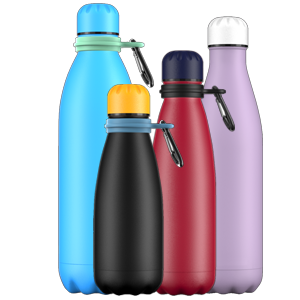
For most day hikes in the UK, you need between 1.5 and 2 litres of water. The exact amount depends on distance, elevation, temperature, and your personal hydration rate. A 1.5L bottle is lighter and fits backpack side pockets, while a 2L bottle gives you more capacity for longer routes or hot days. Consider your typical hike length when choosing between the two.
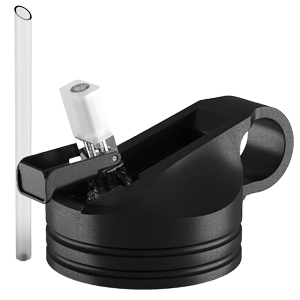
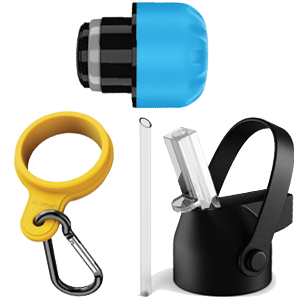
Being able to drink without stopping to open your bag is a genuine advantage on the trail. This means either a bottle that fits in a backpack side pocket (the 1.5L is ideal for this) or a bottle with a carry loop that you can clip to the outside of your pack. A straw lid option adds further convenience, letting you sip without unscrewing the cap.
Both picks below are from the ProWorks Explorer collection, purpose-built for outdoor use with heavy-duty insulation and robust construction.

For full-day hikes, the Explorer 2L is the bottle to take. Two litres gives you roughly 4 hours of hydration in warm weather, which covers most circular day routes in the UK. The double-wall vacuum insulation keeps your water genuinely cold for the entire hike, even on the hottest summer days. Fill it with ice water at 7am and it will still be refreshingly cold at 3pm.
The stainless steel body has survived drops onto rocky paths during our testing without any loss of function. It dents, but it does not crack or leak. The powder-coated finish provides a reliable grip even when your hands are sweaty from a steep climb. At from £22, it is exceptional value for a bottle that will last years of hard outdoor use.

For half-day walks and shorter hikes, the Explorer 1.5L offers the best balance of capacity and portability. It fits in standard backpack side pockets, which means you can grab a drink without breaking stride. The 1.5L capacity is enough for walks of 2 to 4 hours, covering the vast majority of popular UK routes.
The lighter weight compared to the 2L is noticeable on the trail, particularly on uphill sections where every gram counts. You still get the same 24-hour cold retention and 12-hour hot retention, so there is no compromise on insulation performance. If your typical hike is under 4 hours, this is the smarter pick.
Here is a practical guide to matching bottle size with hike type. These recommendations assume moderate pace in temperate UK weather.
Thirst is a lagging indicator. By the time you feel thirsty, you are already mildly dehydrated. Set a reminder to drink every 15 to 20 minutes during your hike, even if you do not feel like it. Small, regular sips are more effective than large gulps at rest stops.
Drink an extra glass of water the evening before a big hike. Starting your walk well-hydrated gives you a significant advantage, especially on hot days or demanding routes. Aim for pale yellow urine as a sign of good hydration before you set off.
On hikes lasting more than 3 to 4 hours, plain water alone may not be enough. You lose electrolytes (sodium, potassium, magnesium) through sweat, and replacing them helps prevent cramps and fatigue. Drop an electrolyte tablet into your bottle for long summer hikes. The stainless steel interior will not react with the dissolved minerals.
Research consistently shows that drinking cold water during exercise reduces how hard the effort feels. This is one of the biggest practical benefits of an insulated bottle on the trail. When your water is still cold after three hours of climbing, each sip feels genuinely refreshing and helps you push through the final stretch.
A good rule of thumb is 500ml per hour of moderate hiking in temperate weather. For strenuous hikes or hot conditions, increase to 750ml to 1 litre per hour. For a half-day hike of 3 to 4 hours, a 1.5 to 2 litre bottle is usually sufficient. For full-day hikes, carry 2 litres and plan refill points along the route.
Stainless steel bottles are more durable, do not absorb flavours, and keep water cold for significantly longer thanks to vacuum insulation. Plastic bottles are lighter, but they degrade over time, can leach chemicals in warm conditions, and offer no insulation. For most UK hikers, the insulation and durability of stainless steel outweigh the small weight penalty.
Yes. A double-wall vacuum insulated bottle like the ProWorks Explorer keeps water cold for up to 24 hours, regardless of the outside temperature. On a 30 degree summer day, your water will still be noticeably chilled after 8 hours on the trail. This is a significant advantage over uninsulated bottles, which reach ambient temperature within 1 to 2 hours.
The Explorer 2L is larger than most standard backpack side pockets. It fits best inside the main compartment or strapped to the outside of your pack. For backpack side pockets, the Explorer 1.5L is the better fit. Most hiking rucksacks with 30 litre capacity or above can accommodate a 1.5L bottle in their side mesh pockets.
Absolutely. The ProWorks Explorer range keeps hot drinks warm for up to 12 hours. Fill it with tea, coffee, or hot soup before a winter hike and you will have a warm drink waiting at the summit. The double-wall insulation works both ways, keeping heat in just as effectively as it keeps cold in. This makes it a genuine four-season bottle.
For beginners doing half-day walks of 2 to 4 hours, the Explorer 1.5L is the ideal starting point. It holds enough water for most walks without being overly heavy, and it fits in standard backpack pockets. If you plan to do longer full-day hikes regularly, consider the 2L for extra capacity. You can always start with 1.5L and upgrade later if needed.
The ProWorks Explorer range keeps your water cold for 24 hours on any trail. Stainless steel, insulated, built for the outdoors. From £17.47.
Shop Explorer BottlesWritten by Andrew Simpson. Last updated March 2026.
Heading out for a long day on the hills? Some walkers tape a knee or an ankle before a big descent. If that is new to you, here is what kinesiology tape actually is and how it works.