Ihr Warenkorb ist leer

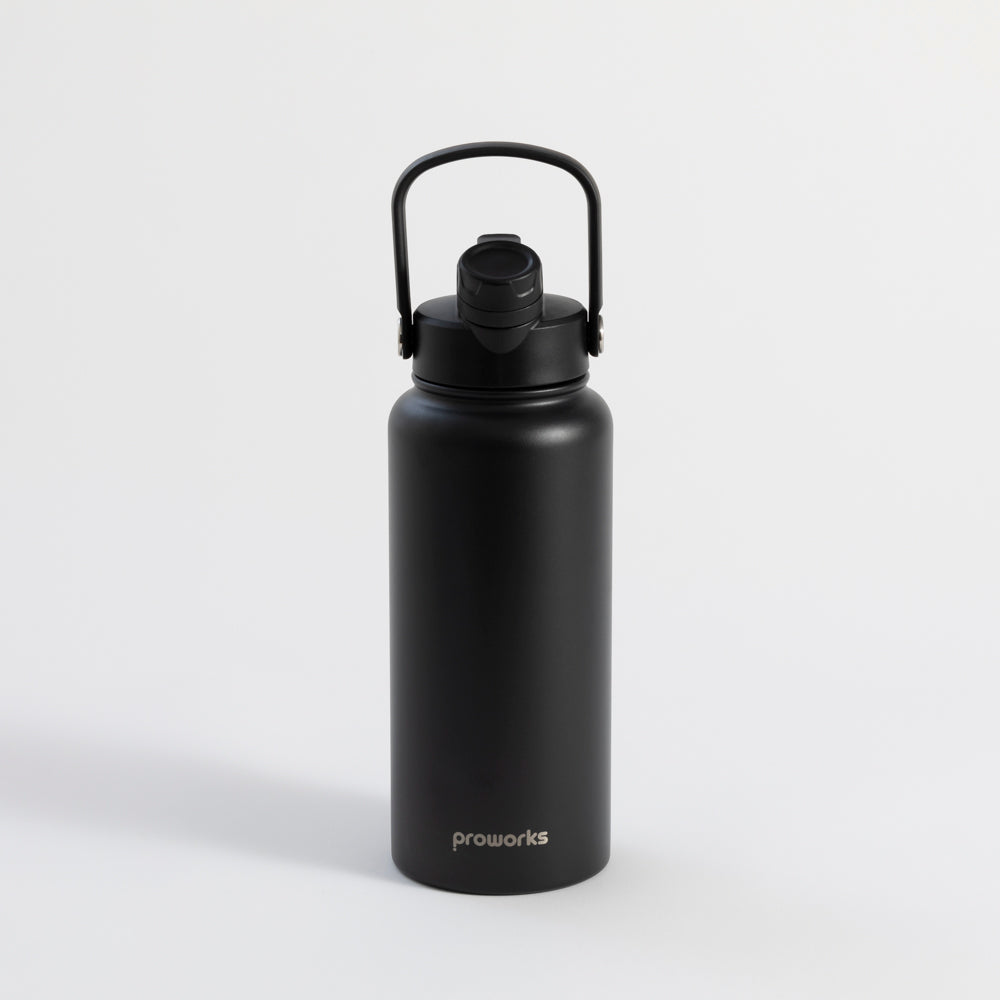

The best water bottle for nurses in the UK for 2026 is the ProWorks Switch 1L in Stealth Black at £25. The 1-litre capacity covers most of a 12-hour shift, the flip straw allows quick one-handed sips between patients, and the insulated stainless steel keeps water cold in warm wards. The sealed lid prevents spills near clinical equipment, and the BPA-free construction meets hygiene-conscious standards.
Nursing is physically demanding, emotionally intense, and often relentless. A typical NHS nurse walks between 4 and 6 miles per shift, spends hours on their feet, and works in wards that are heated to keep patients comfortable but leave staff feeling overheated and dehydrated. Despite this, many nurses report drinking less than half the recommended daily water intake during a shift, simply because they do not have time to stop and drink.
The right water bottle changes this. It needs to be large enough that you are not constantly refilling, easy enough to drink from that you can take a sip between patients, and hygienic enough for a clinical environment. It also needs to be durable, because it will be carried, set down, picked up, and occasionally dropped dozens of times per shift.
This guide covers the best water bottles for nurses working in UK hospitals, GP surgeries, community care, and care homes. If you are looking for a bottle for a different demanding profession, our best water bottle for teachers UK guide covers classroom-specific needs, and our water bottle with straw for work guide covers general office and workplace options.
Nurses make critical decisions throughout their shift: medication calculations, patient assessments, triage priorities. Even mild dehydration (1 to 2 percent body water loss) impairs short-term memory, attention span, and decision-making speed. In a clinical environment where errors can have serious consequences, staying hydrated is not just about comfort. It is a patient safety issue. Regular sipping throughout the shift keeps cognitive performance at its peak.
A 12-hour shift on your feet, walking miles of corridor, lifting patients, and moving equipment is physically comparable to a long hike. Dehydration accelerates fatigue, causes headaches, and increases the risk of dizziness. Many nurses report feeling significantly worse in the second half of a shift, and inadequate water intake is a major contributing factor. A 1-litre bottle filled twice during a shift provides the 2+ litres needed to maintain physical performance throughout.
Nurses have a higher-than-average incidence of urinary tract infections and kidney stones, partly because many deliberately restrict fluid intake to avoid needing toilet breaks during busy shifts. While the intention is understandable, the long-term health consequences are significant. Consistent, moderate hydration (small sips throughout the shift rather than large volumes at once) actually reduces the urgency issue while keeping the urinary system healthy.
Nurses frequently have one hand occupied: carrying notes, holding a door, supporting a patient. A bottle that requires two hands to open (like a screw cap) will not get used as often as one with a flip straw that opens with a thumb and allows sipping without tilting. The ProWorks Switch 1L flip straw is designed for exactly this kind of quick, one-handed operation.
In a hospital environment, hygiene is paramount. An open-top bottle or an exposed drinking spout collects airborne particles, and hands that have been washing constantly or using alcohol gel can transfer residue to an unprotected mouthpiece. The Switch 1L's flip straw closes flat against the lid when not in use, creating a sealed barrier that keeps the drinking surface clean between sips.
Nurses carry their bottles in scrub pockets, tote bags, and locker rooms. A bottle that leaks even slightly will ruin uniforms, paperwork, or personal belongings. The sealed straw lid on the Switch 1L is fully leak-proof when closed, so it can be stored on its side or upside down without any risk of spillage.
Finding time to visit the staffroom or a water fountain during a busy shift is a genuine challenge. A 1-litre bottle filled at the start of the shift and again at a break provides enough hydration for the entire day with minimal interruption to clinical duties. Smaller bottles run empty too quickly and add unnecessary refill trips to an already packed schedule.
Hospital wards are kept warm for patient comfort, often around 24 to 26°C. Without insulation, water in a bottle reaches an unappealing room temperature within the first hour. Insulated stainless steel keeps water cold and refreshing for the duration of a shift, making you far more likely to drink consistently. For more on insulated options, see our best insulated water bottle UK guide.

The Stealth Black Switch ticks every box for hospital and clinical work. The matte black finish looks professional with any colour of scrubs and hides minor scuffs from daily wear. The 1-litre capacity means one fill at the start of a shift and one at your break provides enough hydration for a full 12 hours. The flip straw opens with a thumb, allows a quick sip, and closes flat to keep the drinking surface sealed and clean.
Insulated stainless steel keeps water cold in warm wards, and the sealed lid prevents spills in pockets, bags, or when set down on a nurses' station counter. The BPA-free construction means no chemicals leaching into your water, even after hours in a heated environment. At £25, it is a practical investment that pays for itself within a week compared to buying bottled water from the hospital shop.

The Blossom Pink delivers identical performance to the Stealth Black but in a colour that adds a touch of personality to long shifts. Nurses often report that small personal items help maintain morale during demanding days, and a bottle in a colour you genuinely like is one of those small things. The soft pink is distinctive enough to be easily identified in a shared staffroom fridge or on a busy nurses' station.
Functionally, it is the same insulated stainless steel, 1-litre capacity, and sealed flip straw as every other Switch model. The pink finish uses the same chip-resistant powder coating, so it withstands daily wear in a clinical environment without losing its colour. For nurses who want something different from the standard black options, this is a popular ward choice.
Drinking enough water during a 12-hour nursing shift requires a plan. Here is a practical hydration schedule that works around typical shift patterns.
Fill your 1-litre bottle completely with cold water. Drink 200 to 250ml during handover while reviewing patient notes. Starting the shift properly hydrated sets the foundation for the hours ahead.
Your bottle should be roughly half empty by this point. If it is not, you are not sipping enough. Take deliberate sips between patient interactions, medication rounds, and documentation. The flip straw makes this easy without breaking your workflow.
Refill your bottle completely. Drink at least 250ml during your break alongside food. This is also a good time to rinse the straw and lid with clean water to maintain hygiene through the second half of the shift. Pair your water bottle with a ProWorks food flask so you have a hot meal ready to eat without queuing in the canteen.
Fatigue peaks during this window, and dehydration makes it worse. Consistent sipping through this period maintains alertness and reduces headaches. Aim to finish your second litre before end of shift.
Finish any remaining water. Total intake across the shift should be approximately 2 litres (two full bottles). This meets the NHS guideline of 6 to 8 glasses per day with additional volume for the physical demands of nursing work.
Wash your water bottle with warm, soapy water at the end of every shift. Remove the straw and lid components and clean them separately. The wide mouth of the Switch 1L makes it easy to reach inside with a sponge. For guidance on keeping the straw clean, see our how to prevent mould in a water bottle straw guide.
Stainless steel is inherently more hygienic than plastic. It does not absorb odours, does not harbour bacteria in micro-scratches, and can be cleaned thoroughly with just soap and water. In a clinical environment where hygiene is critical, a stainless steel bottle is the safest material choice for personal hydration.
Once a week, fill the bottle with warm water and a teaspoon of bicarbonate of soda. Leave it for 30 minutes, then rinse thoroughly. This removes any mineral build-up from hard water and eliminates lingering odours. Clean the straw separately with a small brush or pipe cleaner to ensure no residue accumulates inside the tube.
The ProWorks Switch 1L is the best water bottle for nurses on long shifts. Its 1-litre capacity means fewer refill trips, the flip straw allows quick one-handed sips between patients, and the insulated stainless steel keeps water cold in warm hospital wards. The sealed lid is fully leak-proof and keeps the drinking surface hygienic. Filling it twice during a 12-hour shift provides approximately 2 litres of water, which meets the recommended intake for physically demanding work.
Most NHS trusts allow staff to keep personal water bottles at nurses' stations or in designated areas, though policies vary between hospitals and wards. A sealed, leak-proof bottle with a covered drinking spout (like the ProWorks Switch flip straw) is generally more acceptable than open-top bottles because it reduces contamination risk. Always check your specific trust or ward policy regarding personal bottles in clinical areas, and ensure your bottle stays outside patient care zones.
Nurses frequently have one hand occupied with notes, equipment, or patient support. A straw lid opens with a single thumb press and allows sipping without tilting the bottle or using a second hand. Screw caps require two hands and more time to open, which reduces how often a busy nurse actually drinks. The straw also keeps the drinking action quick and discreet, taking just a second between tasks rather than interrupting the clinical workflow.
Nurses on 12-hour shifts should aim for approximately 2 to 2.5 litres of water across the shift, depending on the physical demands and ward temperature. The NHS general guideline of 6 to 8 glasses (1.2 to 1.5 litres) per day does not account for the high physical activity and warm environments that nurses experience. Two fills of a 1-litre bottle, with consistent sipping between patients, is a practical and achievable target for most shifts.
Yes. Stainless steel is more hygienic than plastic in several important ways. It does not develop the micro-scratches that harbour bacteria in plastic bottles, it does not absorb odours or flavours, and it can be cleaned thoroughly with soap and water alone. Stainless steel is also BPA-free by nature, eliminating concerns about chemical leaching from hot environments. For nurses working in clinical settings where hygiene is paramount, a stainless steel bottle is the safer and more durable choice.
Stealth Black is the most popular colour for nurses because it looks professional with any scrub colour and hides minor scuffs from daily use. However, a distinctive colour like Blossom Pink or Lilac Haze is easier to identify in a shared staffroom fridge or on a busy nurses' station. Choose a colour that you will enjoy seeing during long shifts, as personal items that bring a small amount of joy can genuinely improve morale during demanding work days.
The ProWorks Switch 1L is built for busy, demanding days. One-handed sipping, sealed hygiene, cold water for hours. £25.
Shop Nurse-Friendly Bottles