Ihr Warenkorb ist leer

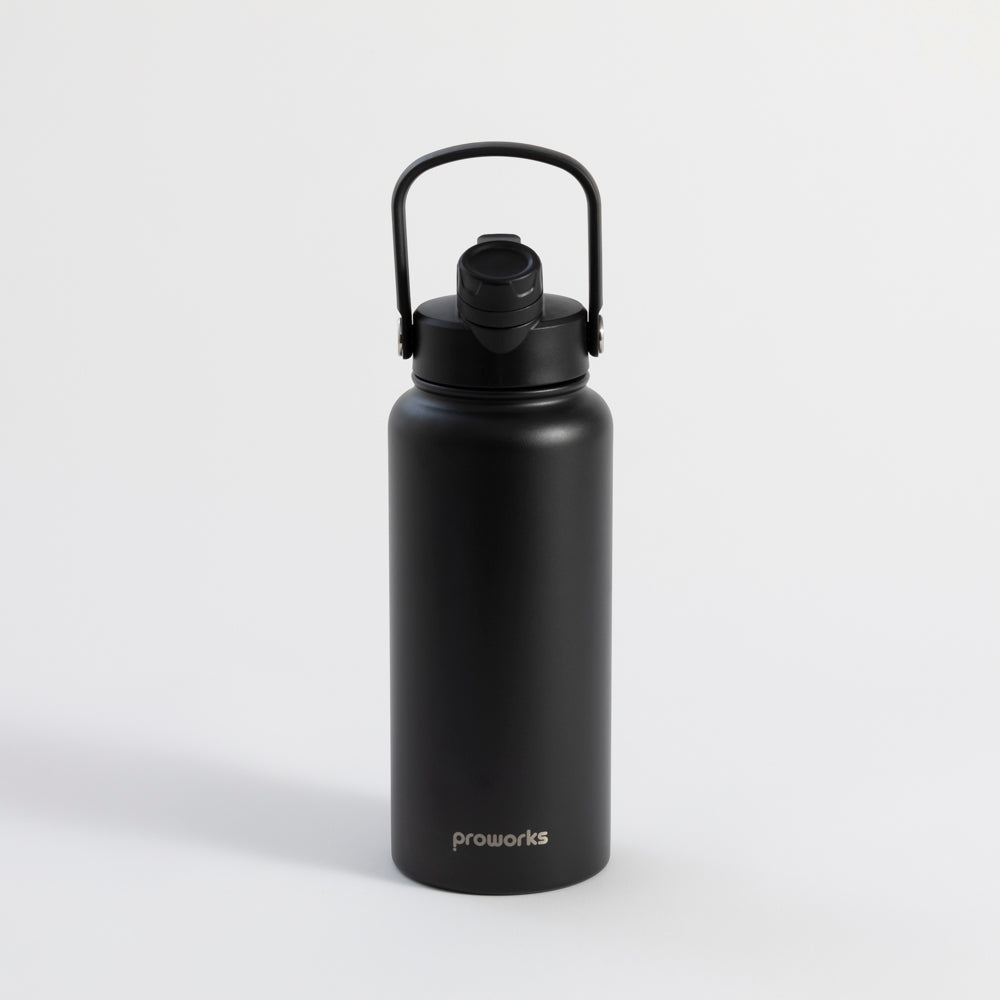

A simple formula for daily water intake by weight is 30 to 35ml per kilogram of body weight. A 70kg person needs roughly 2.1 to 2.45 litres per day. Add 500ml to 1 litre extra for every hour of exercise. The NHS recommends a minimum of 6 to 8 glasses (1.2 litres), but most active adults need more. Use a large water bottle to track your daily intake easily.
Generic advice to "drink 8 glasses of water a day" ignores a basic fact: a 55kg woman and a 95kg man have very different hydration needs. Your body weight is the most important factor in determining how much water you should drink each day, followed by your activity level and environment.
This guide gives you a personalised approach to water intake based on your weight, with adjustments for exercise, climate, and lifestyle. It also covers how NHS guidelines fit into the picture and practical ways to hit your daily target. For the broader health benefits of proper hydration, read our guide to the 12 benefits of drinking more water.
The most widely used formula among sports scientists and nutritionists is straightforward.
Example: A person weighing 75kg needs approximately 2.25 to 2.63 litres of water per day at rest.
This formula accounts for the basic metabolic needs of your body: maintaining cell function, regulating temperature, transporting nutrients, and removing waste. It does not include additional water lost through exercise, hot weather, or illness.
The range accounts for individual variation. People with a higher proportion of lean muscle mass tend to need more water because muscle tissue is approximately 75% water, compared to around 10% for fat tissue. If you are lean and active, use the higher end of the range (35ml/kg). If you are less active, the lower end (30ml/kg) is a reasonable starting point.
The European Food Safety Authority (EFSA) recommends 2.5 litres per day for adult men and 2.0 litres for adult women, which aligns well with this formula for average body weights.
This table provides daily water intake recommendations based on body weight. These figures are for sedentary to lightly active individuals. Add more for exercise (see the next section).
| Body Weight | Daily Intake (Low) | Daily Intake (High) | Bottle Refills (1L) |
|---|---|---|---|
| 50 kg | 1.5 litres | 1.75 litres | 1.5 to 2 |
| 55 kg | 1.65 litres | 1.93 litres | 2 |
| 60 kg | 1.8 litres | 2.1 litres | 2 |
| 65 kg | 1.95 litres | 2.28 litres | 2 |
| 70 kg | 2.1 litres | 2.45 litres | 2 to 2.5 |
| 75 kg | 2.25 litres | 2.63 litres | 2.5 to 3 |
| 80 kg | 2.4 litres | 2.8 litres | 2.5 to 3 |
| 85 kg | 2.55 litres | 2.98 litres | 3 |
| 90 kg | 2.7 litres | 3.15 litres | 3 |
| 95 kg | 2.85 litres | 3.33 litres | 3 to 3.5 |
| 100 kg | 3.0 litres | 3.5 litres | 3 to 3.5 |
If you weigh 80kg, you need between 2.4 and 2.8 litres of water per day. That is roughly 2.5 to 3 refills of a 1 litre bottle, or just over one fill of a 2 litre Explorer bottle. For help choosing the right bottle size, see our water bottle size guide.
The base formula covers your resting needs. Physical activity increases water loss through sweat and respiration, and you need to replace that fluid on top of your baseline intake.
During exercise, aim to drink 150 to 250ml every 15 to 20 minutes. Do not wait until you feel thirsty, as thirst is a delayed signal of dehydration. A sports bottle with a straw lid allows you to sip without interrupting your workout.
The UK climate varies significantly across the year, and your water needs change with it.
During warmer months (June to September), increased sweating means you need more water. Even moderate outdoor activity in 25 degree heat can increase sweat loss by 50% compared to the same activity at 15 degrees. Add 500ml to 1 litre on warm days, even if you are not exercising. Keeping water cold in an insulated bottle encourages you to drink more, as research shows people consume more water when it is chilled.
Dehydration in winter is more common than most people realise. Central heating reduces humidity, increasing water loss through breathing and skin evaporation. Cold air also suppresses thirst, so you may not feel the urge to drink even when you need to. Maintain your baseline intake throughout winter, and consider warm water or herbal tea to make it more appealing.

The NHS recommends 6 to 8 glasses of fluid per day, which equates to approximately 1.2 litres. This is a minimum guideline that applies to the general population, including fluid from food and other drinks.
The weight-based formula typically produces higher numbers than the NHS minimum, which is intentional. The NHS figure is conservative and designed to be easy to remember. For optimal hydration, especially if you are active, the weight-based calculation gives a more personalised and accurate target.
Both approaches agree on the basics: water and lower-fat milk are the healthiest choices, tea and coffee count towards your total, and sugary or caffeinated drinks should not be your primary source of hydration.
Your body provides several signals when you are under-hydrating. Learn to recognise them before they become serious.
For more on the health impacts of dehydration, read our comprehensive guide to the benefits of drinking more water.
The easiest way to hit your target is to use a bottle with a known capacity and count your refills.
If your target is 2.5 litres per day, a 1 litre bottle means 2.5 refills. A 2 litre bottle means just over one fill. Choose the size that fits your routine. Our 1 litre vs 2 litre comparison can help you decide.
Divide your daily target into three roughly equal portions. Drink one-third by midday, one-third by 5pm, and the remaining third by bedtime. This prevents you from trying to catch up in the evening, which can disrupt sleep.
Your body weight is the best starting point for calculating how much water you need each day. The formula of 30 to 35ml per kilogram gives you a personalised target that is far more accurate than the generic "8 glasses" advice. Adjust upwards for exercise, warm weather, and active work.
The simplest way to hit your target is to pick a bottle with a known capacity and count your refills. The ProWorks Switch 1L is ideal for desk use, while the Explorer 2L suits those who want all-day hydration in a single fill. Both keep water cold for 24 hours with double-wall vacuum insulation.
For more on why hydration matters, read our guides on the 12 benefits of drinking more water and whether cold water hydrates you faster.
From 500ml to 2 litres. Insulated stainless steel. Free UK delivery on every order.
Shop All Bottles