ENVÍO GRATUITO EN TODOS LOS PEDIDOS DEL REINO UNIDO SUPERIORES A £20

0

Tu carrito está vacío

How to Clean a Stainless Steel Water Bottle: The Complete 2026 Guide (UK)

marzo 16, 2026 7 lectura mínima

How to Clean a Stainless Steel Water Bottle: The Complete 2026 Guide (UK)
Quick Answer

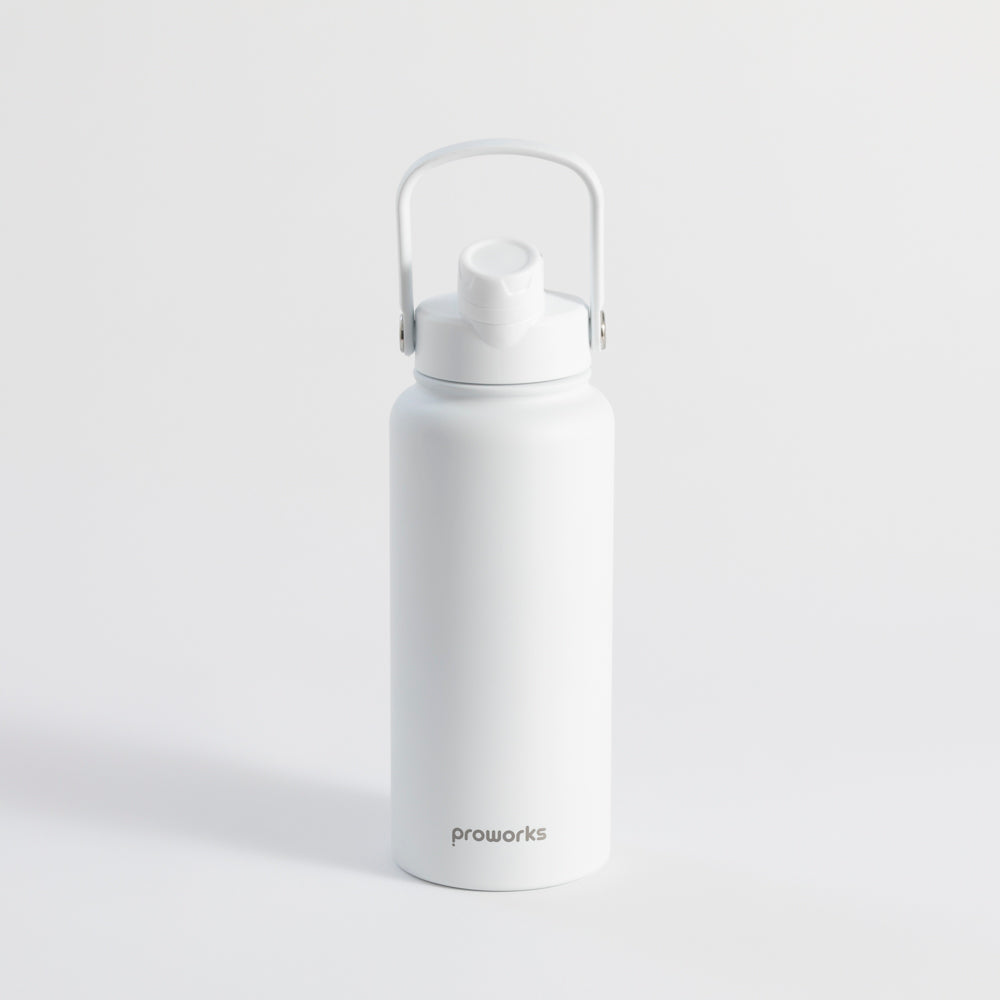
Clean your stainless steel water bottle daily with warm water and washing-up liquid. For deep cleaning, fill with warm water and one tablespoon of bicarbonate of soda, leave overnight, then rinse. White vinegar diluted 50:50 with water works equally well for stubborn odours and stains. Always hand-wash lids and silicone gaskets separately. Never use bleach. For a bottle that is easy to keep fresh, the ProWorks Switch 1L uses food-grade 304 stainless steel that resists odour and staining.

Daily Warm Water + Soap
Weekly Bicarb Deep Clean
Monthly Gasket Check
Never Bleach or Abrasives

A stainless steel water bottle is one of the most hygienic and long-lasting options you can buy, but it still needs regular cleaning. Biofilm, mineral deposits, and lingering odours can develop if the bottle is not washed properly. The good news is that keeping your bottle fresh takes less than two minutes per day and requires nothing more than items you already have in your kitchen.

This guide covers everything from quick daily rinses to deep cleaning methods for stubborn smells and stains. If your bottle has developed a persistent odour, jump ahead to our dedicated guide on how to remove smell from a water bottle. For food flask cleaning, see our food flask cleaning guide.


Daily Cleaning Routine

This takes under two minutes and should be done every day you use the bottle.

  1. Empty the bottle completely. Do not leave water sitting overnight.
  2. Add a small squirt of washing-up liquid and fill the bottle halfway with warm (not boiling) water.
  3. Replace the lid and shake vigorously for 20 to 30 seconds.
  4. Rinse thoroughly with warm water until all soap residue is gone.
  5. Leave to air dry upside down with the lid removed. This prevents moisture being trapped inside.
Top tip: Use a bottle brush to scrub the interior walls and base once a day. A long-handled brush reaches the bottom of the bottle where residue accumulates.

This routine removes the majority of bacteria and prevents biofilm from forming. Biofilm is the slimy layer that develops when bacteria adhere to a surface and multiply. It is invisible at first but eventually causes odours and can affect the taste of your water.


Weekly Deep Clean

Once a week, give your bottle a more thorough clean to remove any buildup that daily washing misses. You have two options: bicarbonate of soda or white vinegar. Both are natural, food-safe, and effective.


Bicarbonate of Soda Method

This is the most popular method in the UK and the one we recommend as a first choice.

  1. Add one tablespoon of bicarbonate of soda to the bottle.
  2. Fill with warm water (not boiling) to the top.
  3. Leave overnight or for at least 4 hours.
  4. Scrub the interior with a bottle brush, paying attention to the base and waterline area.
  5. Rinse thoroughly with warm water multiple times.
  6. Air dry upside down with the lid off.

Bicarbonate of soda is mildly alkaline, which neutralises acidic odours and lifts stains without damaging the stainless steel surface. It is gentle enough for weekly use and leaves no residual taste or smell.


White Vinegar Method

White vinegar is an alternative to bicarbonate of soda and is particularly effective for mineral deposits and limescale.

  1. Mix a solution of 50% white vinegar and 50% warm water.
  2. Fill the bottle with the solution.
  3. Leave for 30 minutes to 2 hours (longer for stubborn buildup).
  4. Scrub with a bottle brush.
  5. Rinse thoroughly with warm water at least three times. Vinegar smell dissipates quickly once rinsed.
  6. Air dry upside down.

Do not mix bicarbonate of soda and vinegar inside the bottle at the same time. They neutralise each other, creating a fizzy reaction that is entertaining but not actually more effective than using either one alone.


How to Clean Lids and Straws

The lid is the part of your bottle most likely to harbour bacteria. It has the most contact with your mouth and hands, and its crevices can trap moisture.

Screw-Top Lids

  1. Remove the silicone gasket (the rubber ring that creates the seal).
  2. Wash both the lid and gasket separately with warm soapy water.
  3. Use a small brush or old toothbrush to clean the thread area.
  4. Rinse and air dry completely before reassembling.

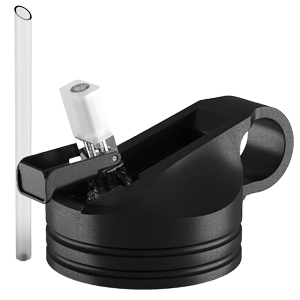
Straw Lids

  1. Remove the straw from the lid.
  2. Use a straw cleaning brush (a thin wire brush) to scrub the inside of the straw.
  3. Soak both the straw and lid in warm soapy water for 10 minutes.
  4. Rinse thoroughly and air dry before reassembling.

For more on preventing mould in straw bottles, see our straw bottle mould prevention guide.

Easy to Clean ProWorks Switch 1L insulated water bottle in Blossom Pink
ProWorks Switch 1L Blossom Pink
304 Stainless Steel, Removable Straw, Easy Clean Design
  • Material 304 stainless steel
  • Straw Removable for cleaning
  • Gasket Removable silicone
  • Cold Retention 24 hours
  • BPA-Free Yes
£25.00
View Switch Blossom Pink

What to Avoid

  • Bleach: Can damage the stainless steel surface and leave a harmful residue that is difficult to rinse completely.
  • Abrasive cleaners and scouring pads: Scratch the interior, creating microscopic grooves where bacteria can hide and multiply.
  • Boiling water: While stainless steel can handle high temperatures, boiling water can damage silicone gaskets and plastic lid components over time.
  • Dishwasher for lids: The high heat and harsh detergents in dishwashers can warp silicone gaskets and degrade the seal. Always hand-wash lids.
  • Leaving it sealed when wet: Always air dry with the lid off. A sealed wet bottle is a breeding ground for bacteria.

Dishwasher Guidance

The bottle body of most ProWorks stainless steel bottles is dishwasher-safe on the top rack. However, we recommend hand-washing for the longest possible lifespan. Dishwasher detergents are more aggressive than washing-up liquid and can dull the powder coat finish over time.

Lids, gaskets, and straws should always be hand-washed. The heat and pressure of a dishwasher cycle can warp these components, compromising the leak-proof seal. For a full rundown of dishwasher-safe options, see our dishwasher-safe water bottle guide.


Frequently Asked Questions

How often should I clean my stainless steel water bottle?
Clean your bottle with warm soapy water every day that you use it. Perform a deep clean with bicarbonate of soda or white vinegar once a week. Check and wash the silicone gasket separately at least once a week. If you use your bottle for anything other than water, such as squash, juice, or coffee, clean it immediately after use to prevent staining and odour buildup. Consistent daily cleaning is the single most effective way to keep your bottle hygienic.
Can I put my stainless steel bottle in the dishwasher?
The bottle body is generally dishwasher-safe on the top rack, but hand-washing is recommended for the longest lifespan. Dishwasher detergents can dull the exterior finish over time. More importantly, lids, silicone gaskets, and straws should always be hand-washed. The high heat and water pressure in a dishwasher can warp these components and compromise the leak-proof seal. See our dishwasher-safe guide for specific models.
How do I remove a bad smell from my water bottle?
The most effective method is filling the bottle with warm water and one tablespoon of bicarbonate of soda, then leaving it overnight. The bicarbonate neutralises odour-causing bacteria and acids. Rinse thoroughly in the morning and air dry with the lid off. For persistent smells, try a 50:50 white vinegar and water soak for 2 hours, or a combination approach. We cover six specific methods in our dedicated bottle smell removal guide.
Is bicarbonate of soda safe for stainless steel?
Yes. Bicarbonate of soda is mildly alkaline and non-abrasive, making it perfectly safe for food-grade 304 stainless steel. It will not scratch, corrode, or damage the interior surface. It is one of the most recommended cleaning agents for stainless steel bottles because it effectively neutralises odours and lifts stains without leaving any chemical residue. You can use it weekly without any risk to your bottle.
Why does my stainless steel bottle smell even after washing?
Persistent odours usually indicate biofilm buildup. Biofilm is a thin layer of bacteria that adheres to surfaces and is resistant to basic rinsing. It forms when a bottle is not cleaned thoroughly or is left sealed while still damp. A daily wash with soap and a bottle brush removes most biofilm, but established buildup requires a deep clean with bicarbonate of soda or vinegar. Also check the lid gasket, as this is a common hiding spot for odour-causing bacteria.
Can I use bleach to clean my water bottle?
No. Bleach should not be used on stainless steel water bottles. It can corrode the metal surface, damage silicone gaskets, and leave a chemical residue that is very difficult to rinse completely. Even trace amounts of bleach residue can affect the taste of your water and may be harmful if ingested. Bicarbonate of soda and white vinegar are safer, more effective alternatives that achieve the same level of cleanliness without any risk to the bottle or your health.

The Bottom Line

Cleaning your stainless steel water bottle does not need to be complicated. A daily wash with warm soapy water and a weekly deep clean with bicarbonate of soda or white vinegar is all it takes to keep your bottle fresh, hygienic, and odour-free for years. Remember to clean lids, gaskets, and straws separately, and always air dry with the lid off.

The ProWorks Switch 1L is designed with cleaning in mind: the straw is fully removable, the silicone gasket lifts out for separate washing, and the wide mouth allows easy access for a bottle brush. Available in Stealth Black, Arctic White, Sage Green, and Blossom Pink.

Fresh Water. Clean Bottle. Every Day.

304 stainless steel that resists odour and stains. Free UK delivery on every order.

Shop Stainless Steel Bottles