ENVÍO GRATUITO EN TODOS LOS PEDIDOS DEL REINO UNIDO SUPERIORES A £20

0

Tu carrito está vacío

How to Clean a Food Flask: No More Stains or Smells (2026 UK Guide)

marzo 16, 2026 7 lectura mínima

How to Clean a Food Flask: No More Stains or Smells (2026 UK Guide)
Quick Answer

Clean your food flask immediately after every use with warm soapy water and a bottle brush. For stubborn stains from tomato-based foods, use a bicarbonate of soda paste left for 30 minutes. For lingering curry or garlic smells, soak overnight with one tablespoon of bicarbonate of soda in warm water. Never use bleach or abrasive scourers. The ProWorks Food Flask 500ml uses 304 stainless steel that resists staining and odour absorption.

After Use Clean Immediately
Weekly Deep Clean
Bicarb Best for Stains
Vinegar Best for Smells

A food flask faces far tougher cleaning challenges than a water bottle. Tomato sauce stains, curry residue, garlic smells, and baked-on food particles are all part of daily food flask life. If you do not clean it properly, these build up quickly and make the flask unpleasant to use.

This guide covers specific cleaning methods for the most common food flask problems, with a focus on natural, food-safe cleaning agents. For water bottle cleaning, see our stainless steel cleaning guide. For persistent odours of any kind, check our smell removal guide.


Why Food Flasks Need Extra Care

Food flasks are exposed to far more aggressive substances than water bottles. Hot, oily, acidic, and strongly flavoured foods create unique cleaning challenges.

  • Tomato-based sauces contain lycopene, a pigment that bonds to surfaces and creates stubborn orange-red staining.
  • Curry and spices contain oils and volatile compounds that can linger in crevices for days.
  • Oily foods leave a film on the interior wall that regular rinsing does not remove.
  • Protein-rich foods (meat, beans, dairy) decompose quickly and create strong odours if left in the flask.
  • The wide opening of a food flask means more surface area exposed to food, including the thread area and gasket.

The wide mouth of a food flask is actually an advantage for cleaning, as it allows easy access with a brush or sponge. The key is cleaning promptly and thoroughly after every use.


Daily Cleaning After Every Use

The single most important rule for food flask hygiene: clean it as soon as possible after eating.

  1. Empty all food and scrape out any residue with a spoon or spatula.
  2. Rinse with hot water to loosen stuck-on food.
  3. Add washing-up liquid and fill halfway with hot water.
  4. Scrub thoroughly with a bottle brush or sponge, covering the entire interior including the base and rim.
  5. Clean the lid separately: Remove the gasket and wash both pieces with soapy water.
  6. Rinse everything with hot water until no soap residue remains.
  7. Air dry upside down with the lid off and gasket removed.
Do not wait. The longer food residue sits in a flask, the harder it is to remove. If you cannot wash it immediately, fill with hot water and a squirt of washing-up liquid to soak until you can clean properly. This prevents food from drying and bonding to the surface.

Removing Tomato and Sauce Stains

Tomato-based stains are the most common food flask complaint. The lycopene in tomatoes is a powerful pigment that bonds to surfaces, leaving an orange-red discolouration even after thorough washing.

Bicarbonate of Soda Paste Method

  1. Make a thick paste with bicarbonate of soda and a few drops of water.
  2. Apply the paste directly to the stained areas inside the flask.
  3. Leave for 30 minutes to 1 hour.
  4. Scrub with a bottle brush or soft sponge.
  5. Rinse thoroughly with warm water.
  6. Repeat if necessary for deep staining.

For prevention, consider rinsing the flask with hot water immediately after eating tomato-based foods, before the lycopene has time to set. A quick rinse within 10 minutes of eating makes a significant difference.

White Vinegar Follow-Up

If staining persists after the bicarb paste, follow up with a 50:50 white vinegar and water soak for 1 to 2 hours. The acidity of the vinegar helps break down the remaining pigment. Rinse thoroughly afterwards.


Removing Curry and Strong Food Smells

Curry, garlic, onion, and other strongly flavoured foods release volatile oils that can persist in a food flask long after washing. These oils get trapped in microscopic surface texture and in the lid gasket.

Overnight Bicarbonate Soak

  1. Add one tablespoon of bicarbonate of soda to the flask.
  2. Fill to the top with warm water.
  3. Leave overnight (8 to 12 hours).
  4. Scrub with a brush the next morning.
  5. Rinse thoroughly.

Gasket Soak

The gasket is often the source of lingering food smells. Remove it from the lid and soak it in a small bowl of warm water with half a teaspoon of bicarbonate of soda for 2 hours. Scrub with an old toothbrush, rinse, and air dry completely before reassembling.

Sunlight Treatment

After cleaning, leave the flask open and upside down in direct sunlight for a few hours. UV light helps break down odour-causing compounds, and fresh air circulation assists with natural deodorising.

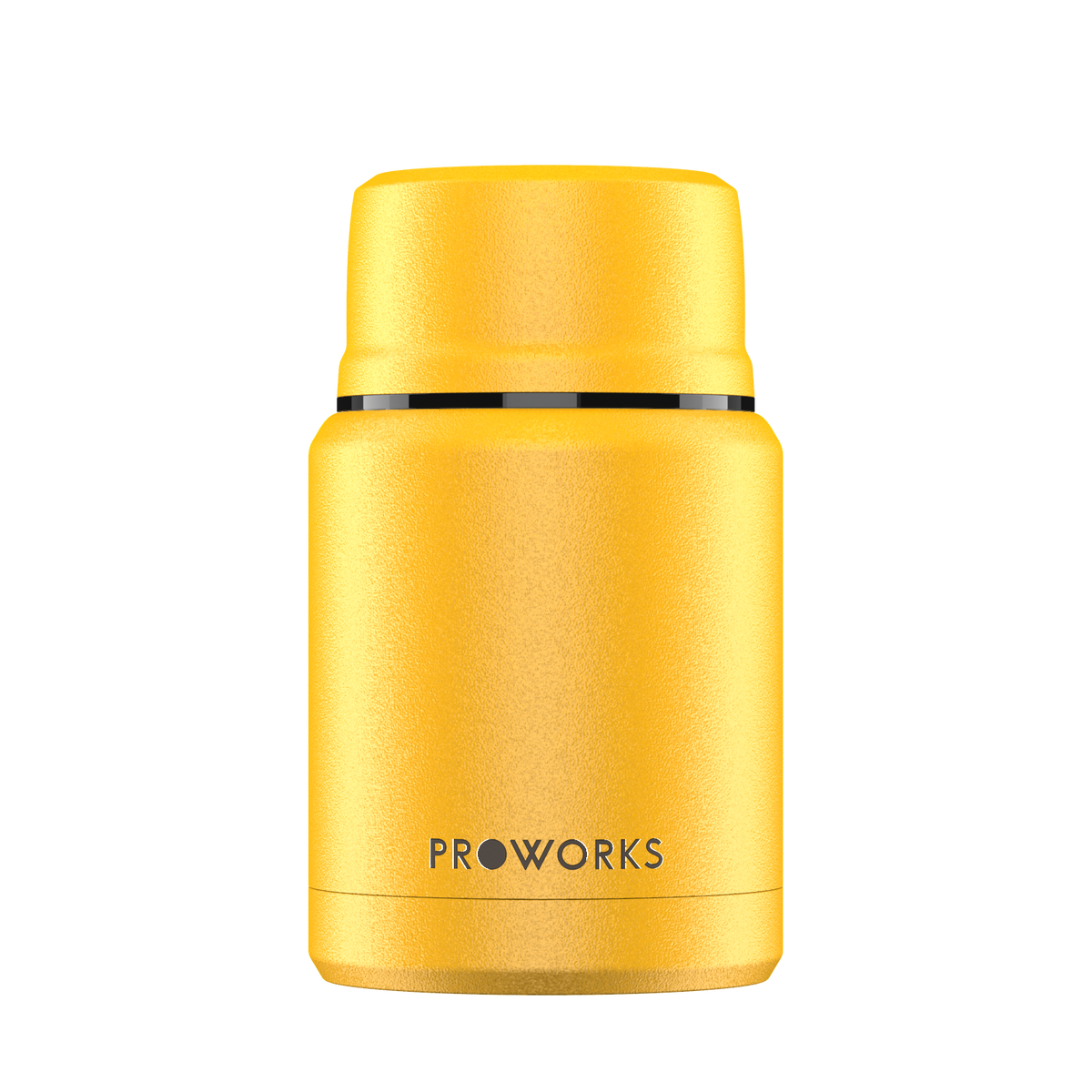
Food Flask ProWorks Mellow Yellow Food Flask 500ml insulated stainless steel
ProWorks Food Flask 500ml Mellow Yellow
Insulated Stainless Steel, Wide Mouth for Easy Cleaning
  • Capacity 500ml
  • Insulation Double-wall vacuum
  • Material 304 stainless steel
  • Opening Wide mouth (easy clean)
  • Gasket Removable silicone
  • BPA-Free Yes
From £13.95
View Food Flask

Weekly Deep Clean

Even with daily washing, a weekly deep clean removes any buildup that regular scrubbing misses.

  1. Fill the flask with warm water and one tablespoon of bicarbonate of soda.
  2. Soak the lid and gasket separately in a bowl with warm soapy water.
  3. Leave everything for 2 to 4 hours (overnight for best results).
  4. Scrub all components with appropriate brushes.
  5. Rinse thoroughly and air dry.

If you use your food flask daily, this weekly deep clean is essential for preventing cumulative odour and stain buildup. For people who use their flask for particularly strong foods like curry or chilli, consider deep cleaning twice a week.


Cleaning the Lid and Gasket

The lid of a food flask requires more attention than a water bottle lid because it comes into contact with food particles, oils, and sauces.

  • Remove the gasket after every use and wash it separately.
  • Check the thread area for trapped food particles. Use an old toothbrush to clean the grooves.
  • Inspect the gasket for wear, discolouration, or persistent odour. If it retains smell after multiple soaks, it may need replacing.
  • Dry all lid components completely before reassembling. Moisture trapped under the gasket promotes bacterial growth.

The gasket is the most common source of persistent food flask smells. A new gasket costs very little and can transform a smelly flask back to fresh. For more food flask recommendations, see our guides to the best food flasks, food flasks for work, and food flasks for school.


What to Avoid

  • Bleach: Damages stainless steel and leaves harmful residue that could contaminate food.
  • Metal scourers and steel wool: Scratch the interior surface, creating grooves that trap food and bacteria.
  • Dishwasher for lids: High heat warps gaskets and degrades the seal. Hand-wash lids always.
  • Leaving food overnight: The longer food sits, the harder the stains and the stronger the smells. Clean as soon as possible.
  • Abrasive powder cleaners: Too harsh for stainless steel food contact surfaces.

Frequently Asked Questions

How do I remove tomato stains from a food flask?
Make a paste with bicarbonate of soda and a few drops of water, apply it directly to the stained areas, and leave for 30 minutes to 1 hour. Scrub with a soft brush or sponge, then rinse thoroughly. For stubborn staining, follow up with a 50:50 white vinegar and water soak for 1 to 2 hours. Prevention is the best strategy: rinse your flask with hot water within 10 minutes of eating tomato-based food to stop the lycopene pigment from setting.
Why does my food flask smell of curry even after washing?
Curry contains volatile oils from spices like turmeric, cumin, and fenugreek that bond to surfaces and get trapped in the lid gasket. A regular wash with soap and water is often not enough to remove these oils. Soak the flask overnight with one tablespoon of bicarbonate of soda in warm water, and separately soak the gasket in a bowl of bicarb solution. Scrub both thoroughly the next morning. If the gasket still retains the smell after multiple treatments, it may need replacing.
Can I put my food flask in the dishwasher?
The flask body is generally dishwasher-safe on the top rack, but hand-washing is recommended for the longest lifespan. The lid and silicone gasket should always be hand-washed. Dishwasher heat and detergents can warp the gasket, compromise the leak-proof seal, and dull the exterior finish. For food flasks specifically, hand-washing with a brush is more effective than a dishwasher because it allows you to scrub stuck-on food from the interior walls and thread area.
How often should I deep clean my food flask?
Deep clean your food flask at least once a week with a bicarbonate of soda soak. If you use it daily for strongly flavoured foods like curry, chilli, or garlic-heavy dishes, consider deep cleaning twice a week. Between deep cleans, wash thoroughly with warm soapy water and a brush after every use. Never let food sit in the flask overnight without at least filling it with hot soapy water to soak until you can clean properly.
Is it safe to use vinegar to clean a food flask?
Yes. White vinegar is completely food-safe and will not damage 304 stainless steel. Use a solution of 50% white vinegar and 50% warm water for soaking, and rinse thoroughly afterwards. The vinegar smell dissipates quickly once rinsed. Vinegar is particularly effective for removing mineral deposits, limescale, and odours caused by acidic foods. It is a natural, non-toxic alternative to chemical cleaning products and is safe for all stainless steel food containers.
When should I replace the gasket on my food flask?
Replace the silicone gasket when it becomes permanently discoloured, retains odour despite thorough cleaning, feels sticky or degraded to the touch, or no longer creates a proper seal. For food flasks used daily, inspect the gasket monthly. A compromised gasket affects both hygiene and the flask's ability to keep food at a safe temperature. Replacement gaskets are inexpensive and straightforward to fit. A fresh gasket can make a well-used food flask feel brand new again.

The Bottom Line

A food flask requires more cleaning attention than a water bottle, but the process is straightforward if you follow a consistent routine. Clean immediately after use, deep clean weekly with bicarbonate of soda, and pay special attention to the lid gasket. For tomato stains, use a bicarb paste. For curry smells, soak overnight. And never use bleach or abrasive scourers.

The ProWorks Food Flask 500ml is designed for easy cleaning with a wide mouth opening, removable silicone gasket, and food-grade 304 stainless steel that resists staining and odour absorption. Browse the full range of food flasks or see our guides to the best food flasks UK and best food flasks for work.

Hot Food. Clean Flask. Every Day.

304 stainless steel food flasks with wide mouth design. Easy to clean. Free UK delivery.

Shop Food Flasks