
FREE UK DELIVERY OVER £25

0

Your Cart is Empty

How Many 500ml Bottles Make 1 Litre? The Simple Hydration Maths Guide for 2026

January 15, 2026 8 min read

How Many 500ml Bottles Make 1 Litre? The Simple Hydration Maths Guide for 2026

How many 500ml bottles make 1 litre?

If you use a 500ml bottle every day, hydration tracking is refreshingly simple. You do not need to weigh anything, measure anything, or guess. You just count bottles.

Here is the answer most people are looking for:

  • 1 litre = 2 x 500ml bottles
  • 500ml = 0.5 litre

That is it. Two full bottles equals one litre.

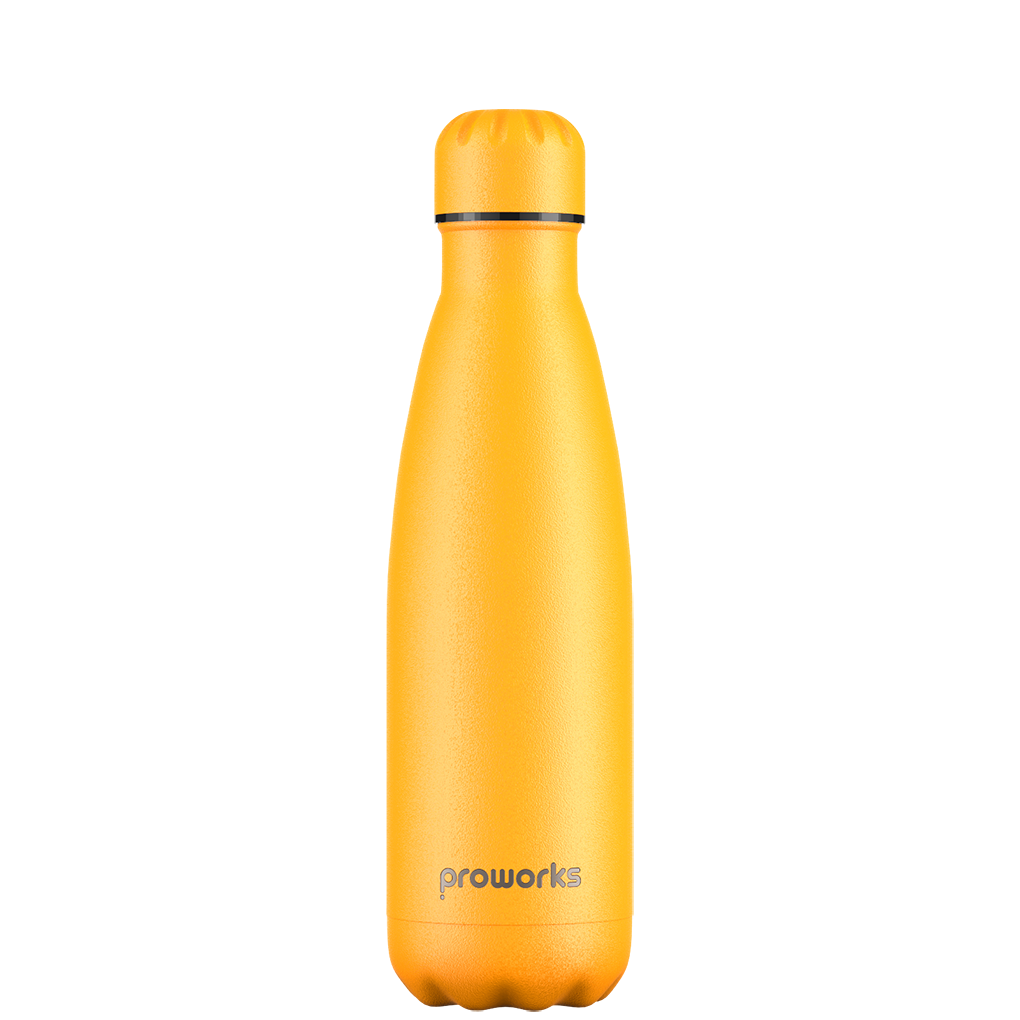
Where it gets really useful is when you use that simple maths to build a routine you can actually stick to. Many people find 500ml is the easiest bottle size for consistency because it is light to carry, it fits in more bags, and finishing one feels achievable. If you want a clearer picture of what 500ml looks like in everyday life, this guide makes it easy to visualise: how big is a 500ml water bottle.

The quick conversion chart everyone saves

Your target How many 500ml bottles? What that looks like
500ml 1 bottle One full bottle
1 litre 2 bottles Morning + afternoon
1.5 litres 3 bottles Two before 3pm, one later
2 litres 4 bottles Two by lunch, two after
2.5 litres 5 bottles Four plus one extra
3 litres 6 bottles Steady sipping all day

Once you know this, you can set a simple goal like “three bottles today” and instantly know what it means. No apps needed, no mental maths, no pressure. Just a visible, practical routine.

Why 500ml makes hydration tracking easier

Big bottles can look motivating, but they can also make it harder to stay consistent. Some people sip less often because a larger bottle feels like it will last forever. With 500ml, you get natural check-ins. You finish one, you refill, and you keep moving.

If you are choosing your first everyday bottle, this guide helps you pick a 500ml option that suits real life: best 500ml water bottle.

Next, let’s make the maths useful. The sections below turn “2 bottles equals 1 litre” into simple routines for workdays, school days, gym sessions and travel.

Real-life routines using 500ml: work, school and everyday life

Hydration goals are easiest when they match your day. Instead of trying to drink a huge amount all at once, it usually works better to spread water across natural moments: arriving somewhere, taking a break, finishing a task, ending a meeting, starting a workout, getting on a train.

Because 500ml is a compact, everyday size, it fits neatly into these moments. It is also easy to refill at home, at work, at the gym, or while travelling.

A simple 1 litre day using 500ml

If you want a gentle target that feels achievable, aim for 2 bottles:

  • Bottle 1: between morning and lunchtime
  • Bottle 2: between lunchtime and late afternoon

This works well for people who are building the habit from scratch. The goal is consistency, not perfection. Two bottles becomes a stable baseline you can keep repeating.

A popular 1.5 litre day using 500ml

If you want to nudge things up without it feeling like a mission, aim for 3 bottles:

  • Bottle 1: on arrival at work, school or college
  • Bottle 2: late morning or lunchtime
  • Bottle 3: mid afternoon to early evening

Three bottles often feels like the sweet spot because it spreads hydration naturally across the day without forcing anything.

A 2 litre day using 500ml

If you like a clearer structure, 4 bottles is the easiest way to visualise 2 litres:

  • Bottle 1: morning
  • Bottle 2: before lunch
  • Bottle 3: early afternoon
  • Bottle 4: late afternoon or early evening

People often use a “two before lunch, two after” rhythm because it is simple. You do not need to think. You just keep your bottle nearby and refill when it is empty.

Workdays: the easiest way to hit your number

Workdays can be the easiest time to build a hydration routine because you often have a desk, a consistent schedule, and easy access to refills. A few ideas that help:

  • Keep the bottle visible: on your desk, not in your bag.
  • Link refills to breaks: refill when you make a tea, finish a task, or come back from a meeting.
  • Make finishing a bottle the “win”: it feels more satisfying than sipping endlessly from a huge bottle.

If your bottle goes into a work bag, reliability matters. A bottle that leaks once can ruin the habit fast. This guide is useful if your bottle lives beside a laptop, notebooks, chargers or packed lunches: best leakproof 500ml water bottle commuting and travel guide.

School and campus routines

For students, 500ml works so well because it fits into bags without adding too much weight, and it is easy to finish between lessons or lectures. Many people find a simple “one bottle before lunch, one after” approach is realistic for school days. If you refill at lunch, you are already at 1 litre by the end of the day.

Families often find it easiest when everyone uses the same size bottle, and each person has their own colour or design. If you are building that kind of household routine, this guide helps: matching family 500ml water bottles.

Why the size of your bottle changes your habits

People often ask whether they should go bigger. Bigger can be useful on some days, but it can also be harder to carry and easier to leave behind. If you are weighing up sizes, these comparisons make the differences feel much more real:

Next, let’s look at active days. Training, cardio and long walks change how and when you drink, and 500ml can still work brilliantly when you plan refills in the right moments.

Gym, cardio and active days: using 500ml without guessing

Active days can make hydration feel more complicated than it needs to be. You sweat more, you may drink faster, and you might think you need the biggest bottle possible. In reality, many people still prefer 500ml because it is lighter to carry, easier to throw into a kit bag, and easier to refill with fresh cold water.

How much is “enough” for a workout?

There is no one-size number that fits every workout. Duration, intensity, temperature and personal preference all play a part. The most useful approach is to use 500ml as a simple unit and build a plan around your session length.

Here are realistic examples using 500ml:

  • Short session (20 to 40 minutes): 1 bottle is often plenty for many people.
  • Medium session (45 to 75 minutes): 1 bottle plus top-up refills as needed.
  • Long session (75 minutes plus): 2 bottles across the session, or 1 bottle plus a refill mid-way.

What matters most is that your bottle is easy to carry and you enjoy using it. If it is annoying or heavy, it will not come with you consistently.

Why 500ml is popular for gym bags

  • Compact: it fits beside shoes, towel and kit without taking over.
  • Light: especially helpful if you are already carrying a full bag.
  • Easy to refill: many gyms make refills simple.
  • Freshness: smaller amounts get replaced more often, which keeps water tasting better.

If your routine is running, cycling or cardio-heavy, this guide is a good companion because it focuses on the realities of carrying a bottle around active life: best 500ml water bottle running cycling cardio.

Active day tracking that feels effortless

A simple method that works well is to set a baseline, then add bottles for activity. For example:

Day type Simple target using 500ml Why it works
Regular day 3 bottles (1.5L) Easy spread across work or school
Training day 3 bottles + 1 bottle around workout (2L) Adds water where you need it most
Long active day 4 bottles + 1 extra (2.5L) More movement usually means more drinking

You can adapt this to your life without it becoming a strict rule. The power is in the simplicity. You are not guessing. You are just using bottles as units.

Travel, commuting and staying consistent

On the move, 500ml can be the easiest bottle size because it fits hand luggage and day bags, and it is comfortable to carry for hours. People often refill at natural stop points: stations, cafes, airports, hotels, offices.

If you travel often and want a routine that keeps things easy, this guide covers packing, refilling and staying leak-free on travel days: 500ml water bottle travel hand luggage.

Leakproof matters more on active days than you think

Active routines usually mean your bottle spends time thrown into a bag. That is when weak lids become a problem. If you want a reliable checklist for what prevents leaks when bottles are packed sideways, this is the most useful reference: best leakproof 500ml water bottle commuting and travel guide.

Next, let’s answer the questions people ask after the maths clicks: how to keep your bottle fresh, how to avoid stale-tasting water, and how to make “counting bottles” feel natural rather than like a chore.

Keeping it simple: freshness, care, and making the habit stick

Knowing that 2 x 500ml equals 1 litre is helpful, but the habit only sticks if your bottle stays pleasant to use. Most people give up on reusable bottles for two reasons: the bottle leaks, or it starts to smell or taste odd. The good news is that both are avoidable with a simple routine.

How long can water sit in a bottle before it tastes stale?

Most people notice taste changes more than anything else. Water that has been sitting around for ages, especially in warm environments like cars or busy bags, can start to taste less fresh. The easiest way to avoid this is simple: refill with fresh water regularly. This is another reason many people prefer 500ml. It gets finished more often, which naturally encourages fresher refills.

A daily routine that keeps your bottle fresh

  • Start the day with fresh water.
  • Finish the bottle, then refill at a natural break.
  • Empty leftovers at the end of the day.
  • Wash, rinse thoroughly, and air dry fully with the lid off.

If you want the full step-by-step version, including deep cleaning and lid care, this guide covers everything clearly: how to clean care 500ml stainless steel water bottle.

How often should you wash your 500ml bottle?

If you use your bottle daily, washing it once per day is a strong baseline. Even if you only drink water, daily washing keeps everything tasting clean and prevents odours building up over time. If you use squash, flavoured drinks, tea or coffee, it is even more important to wash properly and not let residue sit in the lid area.

The lid is the most important part

If a bottle ever starts to smell, it is usually the lid and threads, not the main bottle body. A quick rinse is not enough on its own. Washing and rinsing the lid properly, then letting everything dry fully with the lid off, prevents most issues.

Stainless steel reassurance for everyday use

Many people prefer stainless steel for everyday use because it feels durable, easy to keep fresh, and pleasant to drink from. If you want a clear, practical read on daily use and hygiene, this guide answers the common questions: are 500ml stainless steel water bottles safe.

Making bottle counting feel natural

If counting bottles feels like “too much effort,” it usually means the routine does not match your day. Try one of these easy approaches:

  • The morning and afternoon method: aim for 2 bottles. One before lunch, one after.
  • The desk refill method: refill whenever you stand up. Meeting finished, refill. Lunch finished, refill.
  • The commute anchor: finish one bottle during your commute and one at your desk.
  • The training add-on: keep your normal target, then add one bottle around your workout.

Once you pick a method that fits your rhythm, you stop thinking about the number. It just happens.

Choosing the bottle you will actually keep using

The best 500ml bottle is the one that feels right in your routine and your bag. If you want a straightforward guide to choosing a bottle that suits your day, this is the most helpful starting point: best 500ml water bottle.

And if you want something that feels personal, designs and colours can play a bigger role than people expect. When you like your bottle, you carry it more. If you want inspiration for finishes and styles, this guide is a good browse: trend colours popular 500ml water bottle designs.

If you would like the next guide in the series, the natural follow-on is whether 500ml per day is enough, and how to think about daily hydration in a simple, realistic way.