Your Cart is Empty


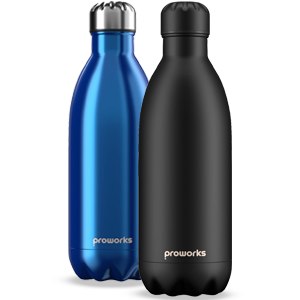
An insulated water bottle is worth the extra cost if you want your drinks to stay cold or hot throughout the day. Double-wall vacuum insulated bottles keep water cold for up to 24 hours and hot for 12 hours, produce zero condensation, and last significantly longer than non-insulated alternatives. The ProWorks Switch 1L at £25 outperforms non-insulated bottles costing the same or more.
The choice between an insulated and non-insulated water bottle comes down to one question: does the temperature of your drink matter to you? If you have ever been disappointed by a warm sip of water halfway through the afternoon, or by lukewarm coffee before your commute is over, the answer is probably yes.
This guide compares the two types across every factor that matters: temperature retention, condensation, price, weight, durability, and everyday usability. We include real temperature test data and a full comparison table to help you decide which is worth your money. For material-specific comparisons, see our guide on stainless steel vs aluminium bottles.
A vacuum insulated bottle has two walls of stainless steel with the air removed from the gap between them. Without air molecules, heat cannot transfer by conduction or convection. The only heat exchange happens through the narrow opening at the top, which is sealed with a silicone gasket. This is why a quality vacuum insulated bottle can keep water cold for 24 hours or longer.
A non-insulated bottle is a single layer of material, whether stainless steel, aluminium, or plastic. Heat transfers freely through the wall in both directions. Cold water warms to room temperature within 1 to 2 hours, and hot drinks cool within 30 to 60 minutes. The outer surface also matches the inner temperature, which means condensation forms immediately with cold drinks.
We tested a ProWorks double-wall vacuum insulated bottle against a standard single-wall stainless steel bottle at a controlled room temperature of 21 degrees Celsius.
| Time | Insulated (Start: 4°C) | Non-Insulated (Start: 4°C) |
|---|---|---|
| 30 min | 4.5°C | 9°C |
| 1 hour | 5°C | 14°C |
| 2 hours | 5.5°C | 18°C |
| 6 hours | 7°C | 21°C (room temp) |
| 12 hours | 9°C | 21°C |
| 24 hours | 12°C | 21°C |
After 2 hours, the non-insulated bottle was already approaching room temperature. The insulated bottle remained below 6 degrees. After a full 24 hours, the insulated bottle was still noticeably cold at 12 degrees, while the non-insulated bottle had been at room temperature since the 6-hour mark. Learn more about insulation technology in our best insulated water bottle guide.
| Feature | Insulated (Vacuum) | Non-Insulated |
|---|---|---|
| Cold retention | Up to 24 hours | 1 to 2 hours |
| Hot retention | Up to 12 hours | 30 to 60 minutes |
| Condensation | None | Heavy with cold drinks |
| Weight (1L) | ~450 to 550g | ~200 to 300g |
| Typical UK price (1L) | £15 to 30 | £5 to 15 |
| Durability | 5 to 10+ years | 1 to 3 years |
| Taste neutrality | Excellent (stainless steel) | Varies (plastic can leach) |
| Material | 304 stainless steel | Varies (plastic, aluminium, SS) |
| Dishwasher safe (body) | Yes (top rack) | Depends on material |
| Ideal for hot drinks | Yes | No |
An insulated bottle typically costs more upfront, but the value calculation changes when you factor in lifespan. A £25 ProWorks insulated bottle lasting 5 to 10 years works out at £2.50 to £5 per year. A £10 non-insulated plastic bottle replaced every 1 to 2 years costs £5 to £10 per year.
There is also the hidden cost of buying bottled water. If you avoid buying one £1.50 bottle of water per workday because your insulated bottle keeps water appealing all day, that is over £350 per year saved. The bottle pays for itself within weeks.
The main trade-off with insulated bottles is weight. Double-wall construction means two layers of stainless steel, which adds approximately 200 to 250g compared to a single-wall bottle of the same capacity. For most everyday use, this difference is negligible. You notice it more with larger capacities.
If weight is a primary concern, such as for ultralight hiking or running, a non-insulated single-wall stainless steel bottle may be preferable. For commuting, desk use, gym sessions, and general daily carry, the extra weight of insulation is a small price for 24-hour temperature control. For running-specific options, see our running water bottle guide.
Insulated stainless steel bottles are extremely durable. The 304 grade stainless steel resists corrosion, does not crack, and maintains its structural integrity for years. The powder coat finish may chip with heavy impact, but this is cosmetic and does not affect insulation performance.
Non-insulated bottles vary widely in durability depending on material. Plastic bottles degrade over time, develop scratches that harbour bacteria, and often need replacing within a year. Single-wall aluminium is lightweight but dents easily and may have an inner lining that wears over time. For a detailed material comparison, read our stainless steel vs aluminium guide.

For most people, insulated is the better investment. The temperature retention, condensation resistance, and longevity justify the slightly higher price. Browse the full range of insulated water bottles or check our best reusable water bottle guide for more options.
For the vast majority of people, an insulated water bottle is the better choice. It keeps drinks at the right temperature all day, eliminates condensation, lasts years longer than non-insulated alternatives, and encourages you to drink more. The slight increase in weight and upfront cost is more than offset by the daily performance and longevity.
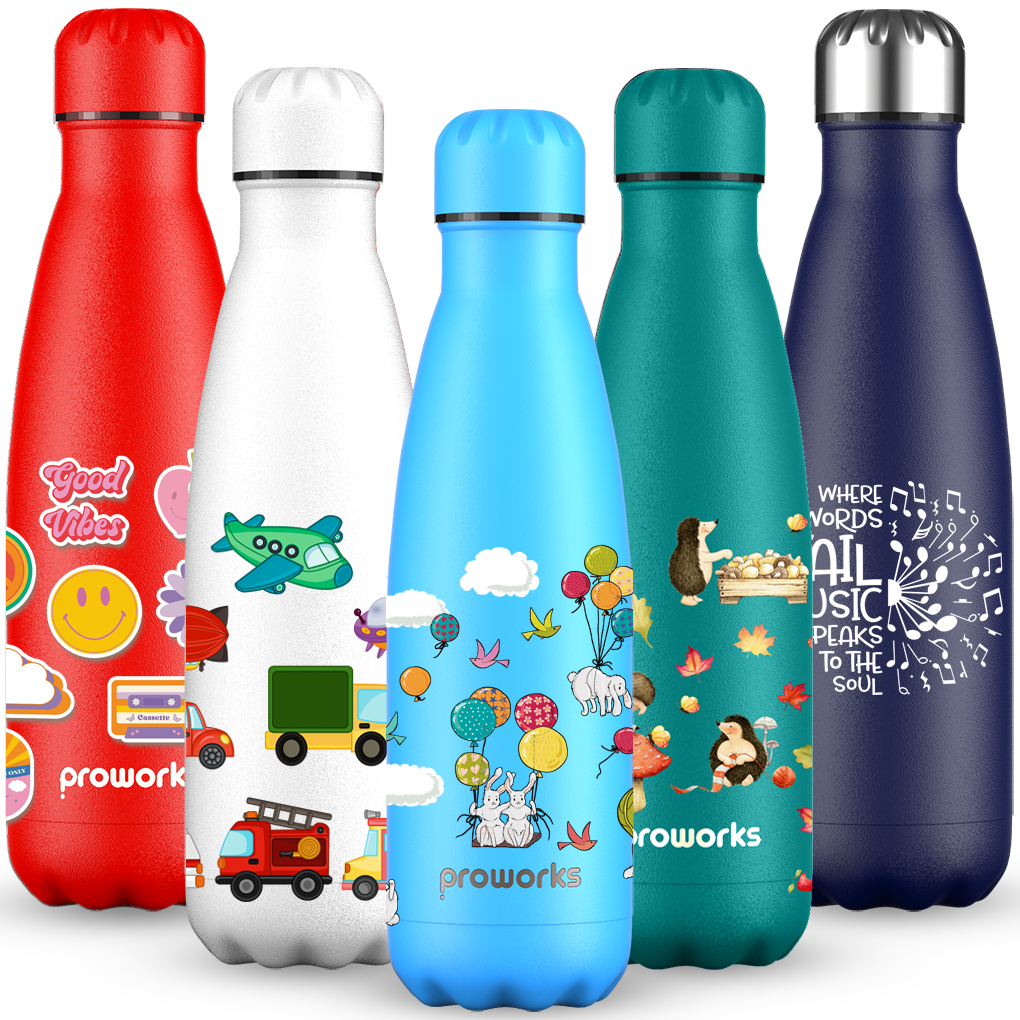
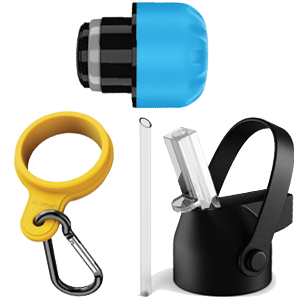
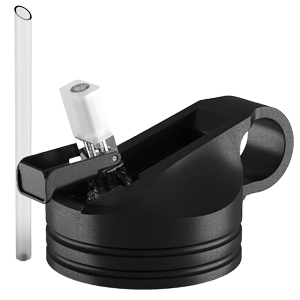
The ProWorks Switch 1L combines vacuum insulation with a straw lid for effortless sipping, available in Stealth Black, Arctic White, Sage Green, and Blossom Pink. For larger capacity, the Explorer 2L delivers the same insulation in a bigger format.
Cold for 24 hours. Hot for 12. Zero condensation. Free UK delivery on every order.
Shop Insulated Bottles