
Votre panier est vide














Why most hydration “advice” fails in real life
Most people do not struggle with hydration because they do not care. They struggle because the advice is vague, and vague advice is hard to act on. “Drink more water” sounds easy, but real days are busy. You move between rooms, meetings, commutes, errands, school runs, workouts, and travel. You forget. You get distracted. You leave your bottle in the car. You pack it in your bag and then never take it out.
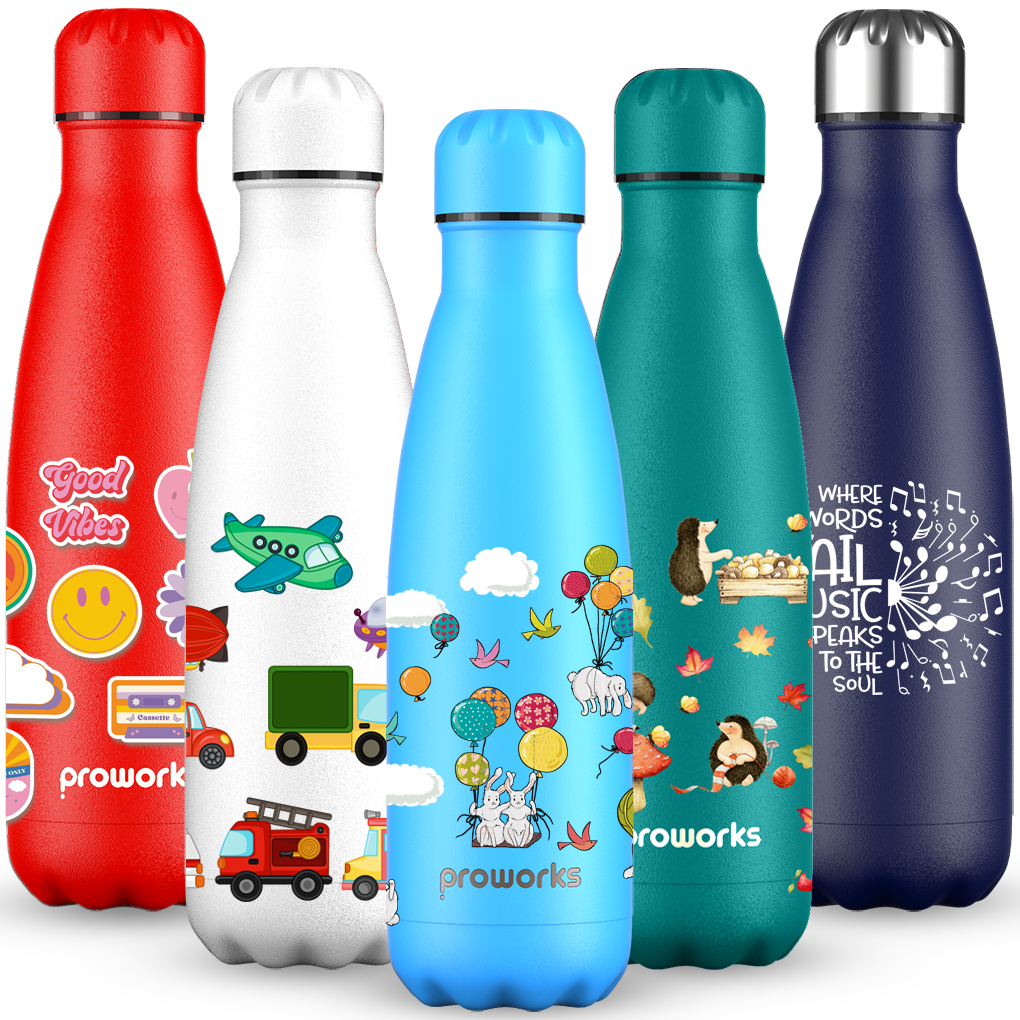
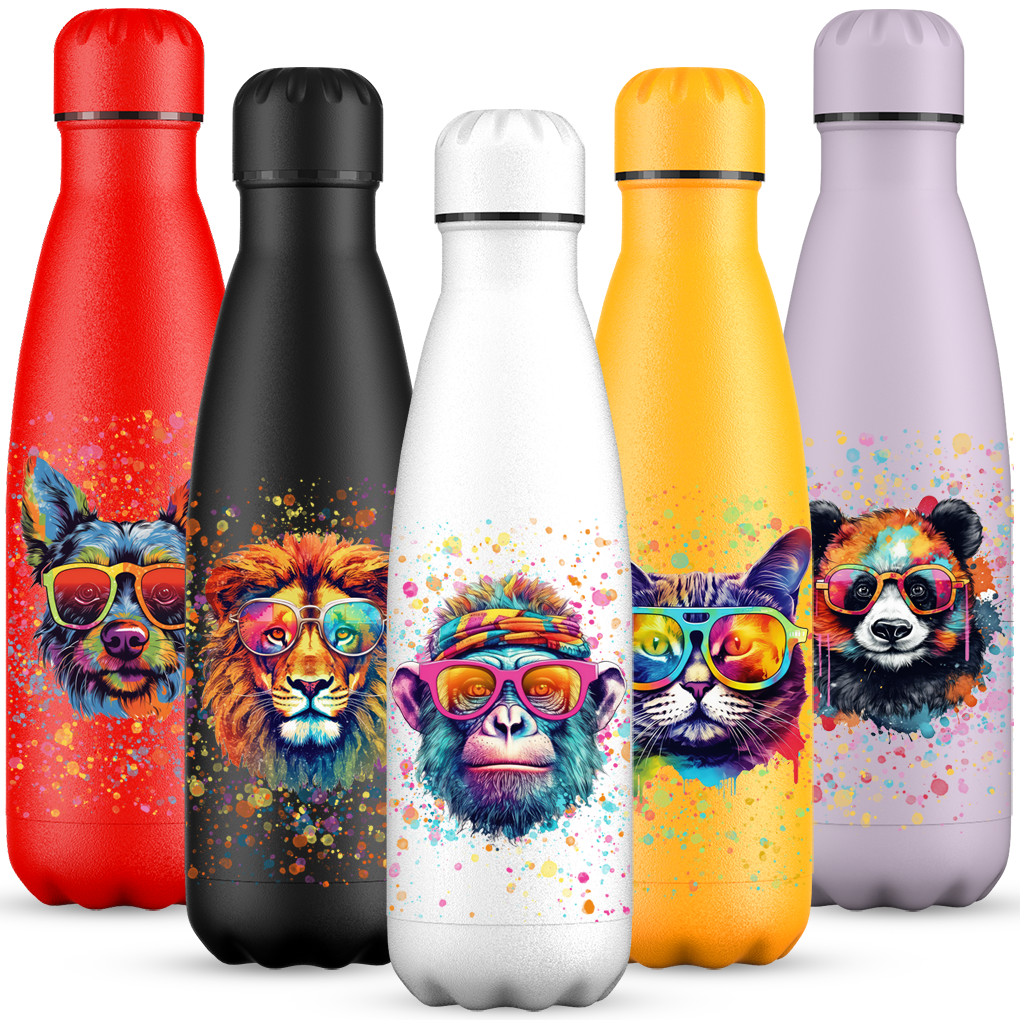
A daily hydration habit only sticks when it becomes part of your environment. That means the bottle has to be easy to carry, easy to refill, and easy to trust in a bag. It also needs to be pleasant to drink from so you naturally reach for it without thinking. This is where 500ml works beautifully for many people. It is small enough to take everywhere and large enough to make a difference when you refill it consistently.
If you are choosing a bottle that you will actually use daily, it helps to start with the features that make day-to-day life easier. The guide here covers the essentials in a simple, practical way: 500ml water bottle buying guide. It is worth reading if you want a bottle that feels like an easy habit, not a chore.
The habit is not “drink more”, it is “keep water near you”
The easiest mindset shift is this: hydration is not a willpower problem, it is a proximity problem. You drink water when water is near you. You forget when it is not. That is why the right bottle size matters. A bottle that is too big can feel bulky and get left behind. A bottle that is too small can feel pointless. For many routines, 500ml is the sweet spot because it fits into bags, desk setups, and cup holders easily.
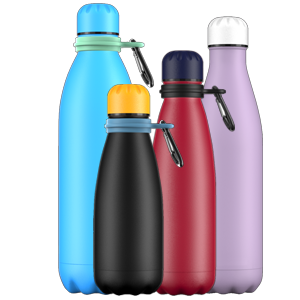
If you want to visualise what 500ml looks like and how it tends to fit into everyday life, this guide makes it easy: how big is a 500ml water bottle. When you can picture the size properly, it becomes much easier to commit to using it daily.
Not sure which bottle to start with? Pick a stainless steel bottle that suits your lifestyle.
Step one: make hydration measurable without apps
Counting sips is impossible. Counting bottles is easy. The simplest way to build a hydration habit is to use your bottle as your measuring unit. With 500ml, the maths is effortless and you do not need to track anything complicated.
Use this as your baseline:
- 1 bottle = 500ml
- 2 bottles = 1 litre
- 3 bottles = 1.5 litres
- 4 bottles = 2 litres
If you want the full conversion guide with examples, this is the most useful reference: how many 500ml bottles make 1 litre. When you start thinking in bottles, you stop guessing and start building consistency.
Step two: choose a goal that is realistic for your day
A habit only sticks when the target feels achievable. If you aim too high too quickly, you will start strong and then drop it. It is more effective to start with a number that fits your current routine and increase gradually if you want to.
Here is a simple way to choose:
- 2 bottles if you are building the habit from scratch
- 3 bottles if you want a steady everyday rhythm
- 4 bottles if you like structure and clear checkpoints
If you are wondering whether one bottle is enough for the whole day, this guide explains it in a realistic, routine-based way: is 500ml of water enough a day. Most people feel best with more than 500ml across a full day, but the habit becomes easy when you use 500ml as your unit.
Step three: remove the two things that kill habits
Two things make people stop carrying their bottle:
- Leaks that ruin bags and create stress
- Smells that make the bottle unpleasant to use
If your bottle lives in a bag for commuting, travel, school, or gym, leakproof design is everything. This guide breaks down what prevents spills and how to keep your bottle trustworthy: best leakproof 500ml water bottle commuting and travel guide.
For freshness, daily cleaning habits are what keep the bottle tasting clean and feeling nice to use. This step-by-step routine makes it simple: how to clean and care for a 500ml stainless steel water bottle.
Next, we will turn this into a repeatable daily routine you can copy, whether you work at a desk, travel often, train regularly, or juggle a busy family schedule.