LIVRAISON GRATUITE SUR TOUTES LES COMMANDES AU ROYAUME-UNI DE PLUS DE 20 £

0

Votre panier est vide

Is 500ml of Water Enough a Day? A Realistic Hydration Guide for 2026
janvier 15, 2026 10 lire la lecture

Is 500ml of Water Enough a Day? A Realistic Hydration Guide for 2026

Is 500ml of water enough a day?

It is a simple question, and it comes up for a reason. A 500ml bottle feels like a decent amount of water in your hand. It is easy to carry. Easy to finish. Easy to refill. So it is natural to wonder whether one bottle is enough to cover a full day.

For most people, 500ml is a great start, but it is usually not enough for the whole day. Think of it as your baseline unit rather than your finish line. A single 500ml bottle can get you going, but most daily routines suit multiple refills across the day.

The good news is that hydration does not need to be complicated. Using a 500ml bottle can actually make things easier, because you can track your intake without guesswork. Instead of thinking in abstract litres, you just count bottles.

If you want the simple conversion that makes hydration tracking effortless, this guide is the one people come back to again and again: how many 500ml bottles make 1 litre. It turns “drink more water” into something you can actually do.

Why 500ml often feels like enough, even when it is not

One bottle can feel satisfying because it is a complete task. You finish it. You feel like you have done something good. But your body needs fluid throughout the day, not just in one hit. If you drink 500ml in the morning and then forget until late afternoon, it can still leave you feeling sluggish, headachy, or snacky in ways you cannot quite explain.

Hydration works best when it is spread out. That is why 500ml bottles are so useful. They naturally create “checkpoints” in your day. Finish one, refill, move on.

A realistic way to think about daily water

Hydration needs vary. Your ideal amount depends on your body size, your day, the temperature, what you eat, and how active you are. Instead of chasing one perfect number, it is more helpful to build a routine that fits your lifestyle and keeps your water intake steady.

For many people, a practical target sits somewhere between:

  • 2 bottles (1 litre) on a lighter day or as a starting goal
  • 3 bottles (1.5 litres) for many everyday routines
  • 4 bottles (2 litres) for people who want a stronger structure

You can always adjust based on how you feel. The point is that 500ml becomes your measuring cup without any effort.

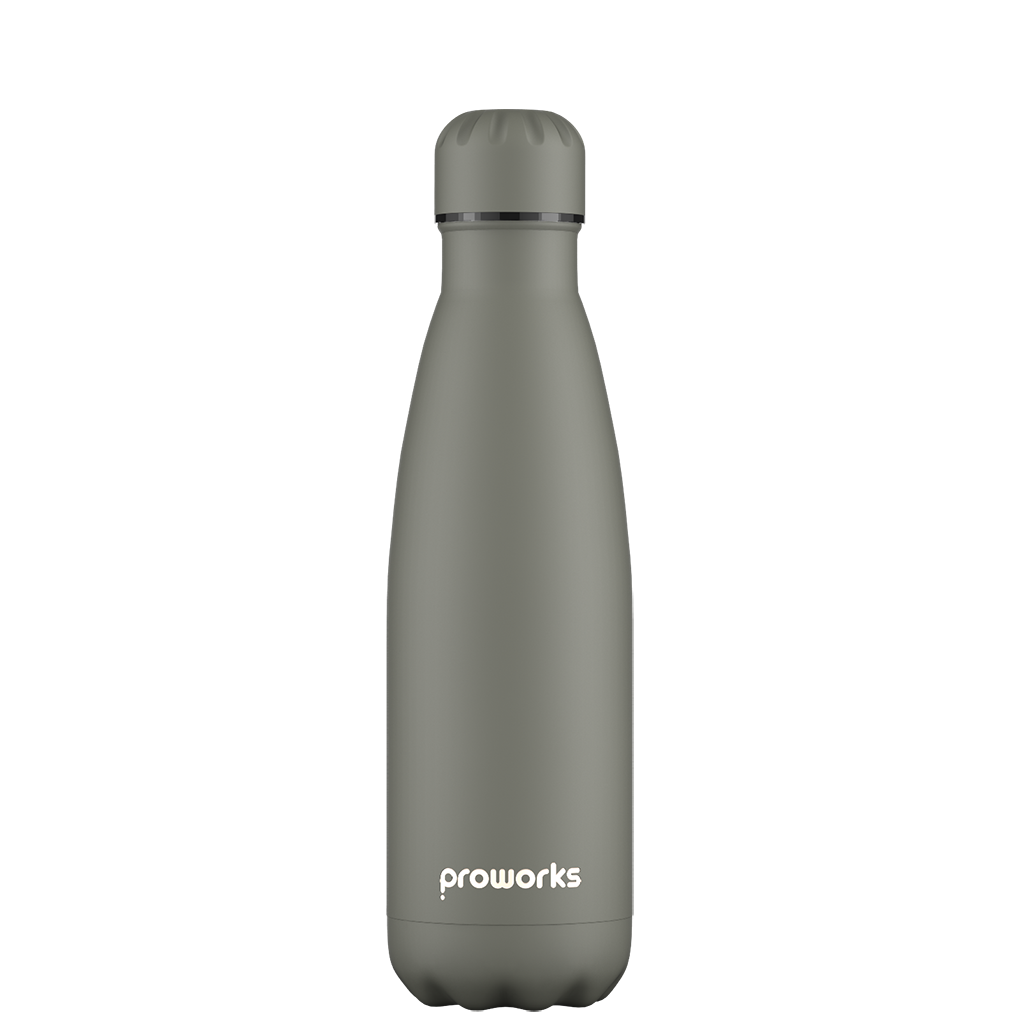
If you are picturing the bottle size itself and wondering what 500ml really looks like in daily life, this guide makes it easy to visualise: how big is a 500ml water bottle.

Quick hydration maths using a 500ml bottle

Daily goal How many 500ml bottles? What it feels like
500ml 1 bottle A good start, usually not a full day
1 litre 2 bottles A gentle baseline for building the habit
1.5 litres 3 bottles A popular everyday rhythm
2 litres 4 bottles Simple structure, steady sipping

In the next section, we will cover what affects your daily needs, how to recognise when you need more, and the easiest ways to build a routine that sticks.

What changes how much water you need in a day

If you want to know whether 500ml is enough for you, it helps to understand what makes your needs go up or down. Hydration is not just about a number. It is about your routine, your environment, and what your day looks like.

1) Activity and training

If you do any cardio, gym work, long walks, or busy on-your-feet days, your need for fluids tends to rise. Even mild exercise can make you feel better when you are properly hydrated, especially if your session involves sweating or a warm environment.

A 500ml bottle is still a great choice for active routines because it is easy to carry and easy to refill with fresh, cold water. Many people prefer it over larger sizes for everyday workouts because it fits neatly into a kit bag and does not feel bulky.

If your routine includes running, cycling, or cardio sessions, this guide helps you choose a bottle that suits active life and explains how 500ml fits into training days: best 500ml water bottle for running cycling cardio.

2) Temperature and heating

Warm weather and indoor heating can quietly increase your need for water. You may not notice yourself sweating, but your body can still lose more moisture than usual. On warmer days, it is common for people to feel more tired or “foggy” when they have not increased their water intake.

This is where a refill habit helps. Instead of trying to drink a huge amount at once, aim for one extra 500ml bottle across the day and see how you feel.

3) Busy days and forgetting to drink

A surprising number of people do not drink enough simply because they forget. Meetings, school runs, commuting, deadlines, lectures, and errands can all push hydration to the bottom of the list. Then late afternoon hits and you wonder why you feel a bit drained.

This is where 500ml bottles are brilliant. They create a simple visual cue. If your bottle is empty, refill. If it is full and untouched, take a few sips.

If you want a simple “no-fuss” approach to choosing an everyday bottle you will actually carry, this guide is the most helpful starting point: best 500ml water bottle.

4) Food choices and saltier meals

Some meals leave you thirstier than others. Saltier foods, takeaways, and snack-heavy days can make you feel thirstier and may leave you feeling better when you drink more water. If you are having a saltier day, you might naturally want an extra bottle.

5) Coffee and tea habits

Many people drink several hot drinks across a day. You do not need to panic about this, but it can be helpful to pair caffeinated drinks with water. A simple habit is “water first” before your next coffee, or “a few sips of water” every time you make a hot drink.

How to tell when you probably need more than 500ml

If 500ml is your whole-day intake, many people will notice at least one of these signs:

  • dry mouth or feeling thirsty more often than usual
  • headaches that seem to come out of nowhere
  • feeling tired or low energy in the afternoon
  • struggling with focus or feeling a bit “foggy”
  • feeling snacky when you might actually be thirsty

These signs can have multiple causes, but hydration is one of the easiest things to adjust and test. If you suspect water might be part of the picture, increase your intake by one extra 500ml bottle for a few days and see how you feel.

Make tracking simple with bottle counting

If you only remember one thing from this guide, make it this: stop thinking in litres, and start thinking in bottles. When you use 500ml as your unit, everything becomes easier.

This guide gives the simple conversions and examples that make tracking effortless: how many 500ml bottles make 1 litre.

Next, we will turn this into practical routines you can use immediately for workdays, school days, travel days, and training days, so hydration stops being something you “try to do” and becomes something that happens naturally.

Easy daily routines using a 500ml bottle

The reason people struggle with hydration is not because they do not care. It is because generic advice does not fit real days. You need a routine that matches what you actually do, where you actually go, and what you actually remember.

Below are realistic routines using a 500ml bottle. Pick one that matches your day, try it for a week, then adjust. Hydration habits are easier when you remove pressure and focus on consistency.

Routine 1: The “2 bottle” starter day (1 litre)

If you are starting from almost nothing, aim for two bottles. It is simple and achievable.

  • Bottle 1: morning to lunchtime
  • Bottle 2: lunchtime to late afternoon

This routine is ideal if you are rebuilding the habit. Once two bottles feels automatic, adding a third becomes easy.

Routine 2: The “3 bottle” everyday rhythm (1.5 litres)

This is a popular sweet spot for many people. It spreads hydration across the day without feeling excessive.

  • Bottle 1: start of the day or on arrival at work or school
  • Bottle 2: late morning or around lunch
  • Bottle 3: mid afternoon to early evening

If you work at a desk, make bottle 2 your “meeting refill” and bottle 3 your “afternoon reset.”

Routine 3: The “4 bottle” structured day (2 litres)

If you like structure, four bottles can be very straightforward. A simple approach is “two before lunch, two after.”

  • Bottle 1: morning
  • Bottle 2: before lunch
  • Bottle 3: early afternoon
  • Bottle 4: late afternoon or early evening

This is not about forcing water. It is about using simple checkpoints so you do not get to 5pm and realise you have barely drunk anything.

Workdays: the desk method

If you work from a desk, hydration becomes easier when you make your bottle visible. The simplest workday habits are:

  • keep your bottle on your desk, not in your bag
  • refill when you stand up, not when you feel thirsty
  • pair water with natural breaks like tea rounds, meetings ending, and lunch

If your bottle is in a bag beside tech, you need a lid you trust. Leaks ruin the habit quickly. This guide explains what makes a bottle genuinely safe for commuting and bag life: best leakproof 500ml water bottle commuting travel guide.

Travel days: the refill points method

Travel makes hydration easy to forget. The trick is to link water to refill points. Every time you naturally stop, refill.

  • fill before leaving home (unless flying)
  • refill at stations, cafes, or when you arrive at your destination
  • finish one bottle during a travel block, then refill at the next stop

If you travel often and want a bottle that fits hand luggage and stays reliable on the move, this guide covers the practical side: 500ml water bottle travel hand luggage.

Training days: add one bottle around your workout

If you are training, a simple method is to keep your normal daily target and add one bottle around your workout. It is an easy adjustment that often helps energy and recovery feel better.

If you want a training-focused guide to choosing a bottle that suits running, cycling and cardio routines, this is the best read: best 500ml water bottle for running cycling cardio.

Should you ever go bigger than 500ml?

Some people love bigger bottles, especially on long days with limited refills. Others find bigger bottles feel bulky and end up being left behind. If you are deciding between sizes, these comparisons make the difference feel real:

For many people, the best setup is still a 500ml bottle as the everyday carry, with a bigger size only for specific long days out. Consistency matters more than capacity.

Next, we will cover the part that makes hydration habits last: keeping your bottle fresh, keeping water tasting clean, and choosing materials you feel good about using every day.

Making it sustainable: taste, hygiene, and the bottle you will keep using

If you want to drink more water, your bottle needs to be pleasant to use. Most people stop using reusable bottles for two reasons: they leak, or they start to smell or taste odd. When you solve those two problems, hydration becomes much easier.

How long does water stay safe and pleasant in a bottle?

For everyday life, the simplest habit is to refresh your water daily. Water that sits for a long time, especially in warm environments like cars, bags, or heated rooms, can start to taste less fresh. Many people notice taste changes before anything else.

A 500ml bottle helps here because it gets finished more often. That naturally encourages fresh refills, which keeps water tasting crisp and encourages you to sip more.

How often should you wash your bottle?

If you use your bottle daily, washing it once per day is a strong routine. Even if you only drink water, daily washing helps keep the bottle fresh, keeps the lid area clean, and prevents odours developing over time.

If you want a simple step-by-step cleaning routine you can copy, this guide covers everyday washing, lid care, and deep cleaning: how to clean and care for a 500ml stainless steel water bottle.

The lid matters more than the bottle body

If a bottle ever smells musty, it is usually the lid and threads. Tiny residue can build up there over time, especially if the bottle is stored closed while damp. A simple habit fixes most issues: air dry fully with the lid off.

Daily care that works:

  • wash with warm soapy water
  • clean the lid threads and underside properly
  • rinse thoroughly until there is no soapy scent
  • air dry fully with the lid off

Is stainless steel a good choice for everyday drinking?

Many people choose stainless steel because it feels durable, it suits daily use, and it is easy to keep fresh with simple cleaning habits. If you want a clear guide that answers common concerns about daily use, hygiene, and best habits, this is the most useful read: are 500ml stainless steel water bottles safe.

Leakproof confidence is part of a hydration habit

If your bottle leaks, you stop trusting it. If you stop trusting it, you stop carrying it. This is especially true for commuting, school bags, gym bags, and travel backpacks. A leakproof lid and seal design makes your bottle feel like an easy daily essential rather than a risk.

If your bottle lives in a bag beside important items, this guide helps you avoid the most common leak issues and choose a bottle you can trust: best leakproof 500ml water bottle commuting travel guide.

So, is 500ml enough for a day?

For most people, one 500ml bottle is not enough for the whole day. But as a daily unit, it is one of the best sizes you can choose. It is portable, easy to finish, easy to refill, and easy to track.

If you want the simplest next step, aim for:

  • 2 bottles as your baseline
  • 3 bottles as a popular everyday rhythm
  • 4 bottles if you like a clearer structure

Then adjust based on your day. Long travel? Add one bottle. Training day? Add one bottle around your workout. Warm day? Add one bottle. You do not need perfection. You just need consistency.

If you want an everyday bottle that fits real life and makes it easy to stick to your routine, start here: best 500ml water bottle.